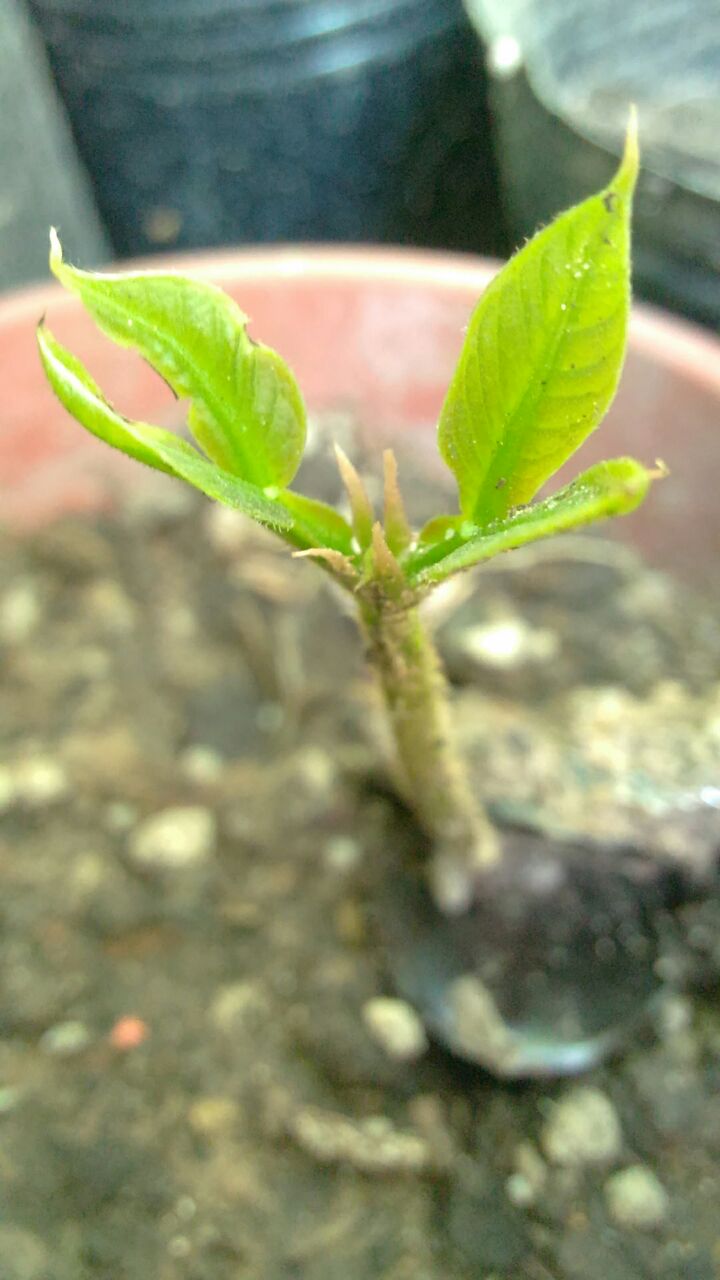
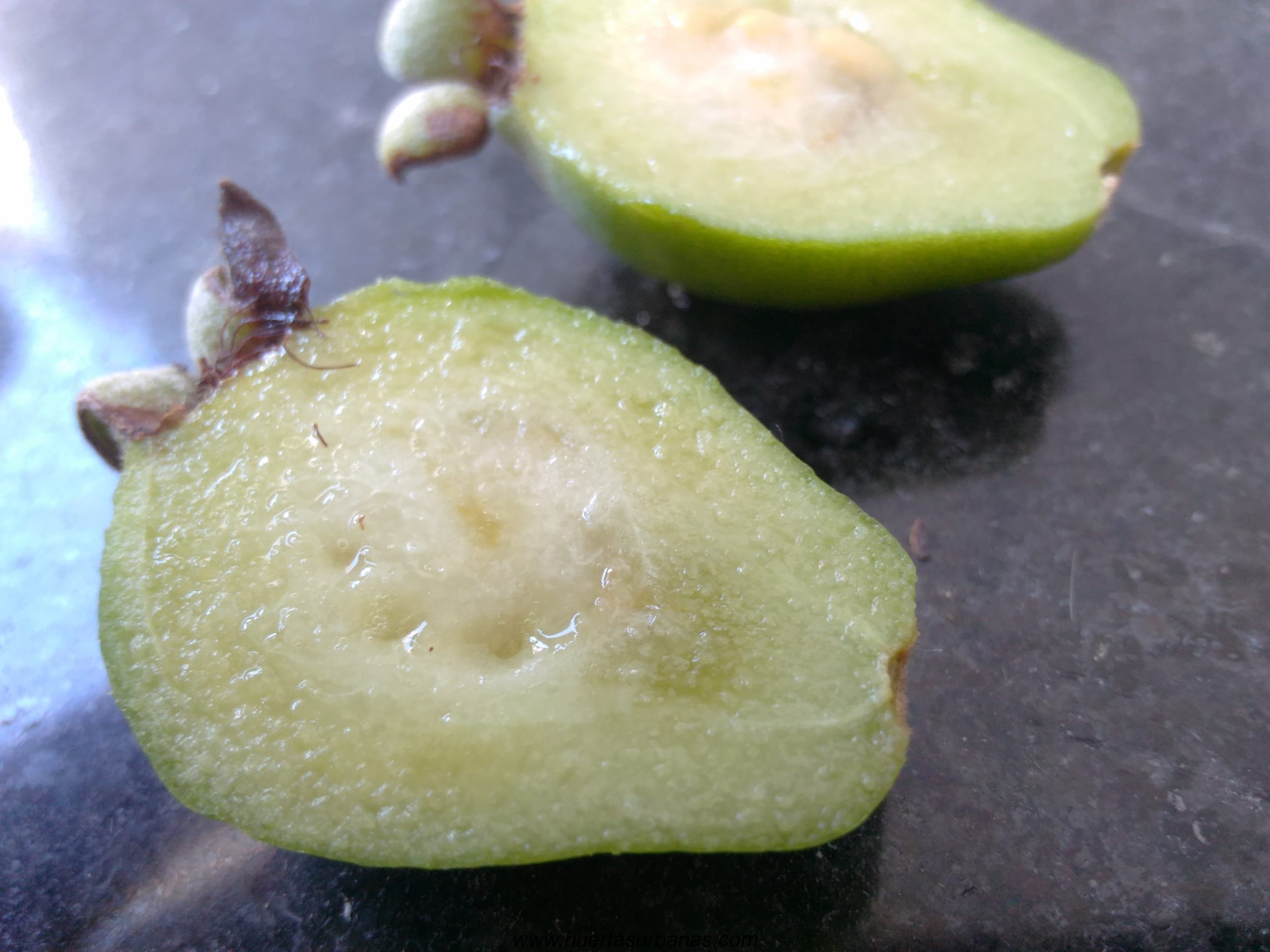
Hoy recibí semillas de esta interesante especie, comencé a estudiarla y estuvo haciéndose más y más interesante para mí:
http://www.worldagroforestry.org/treedb/AFTPDFS/Parkia_biglobosa.PDF
“Young pods are sometimes roasted on embers and eaten. Leaves are edible but not commonly eaten. The leaves are mixed with cereal flour and eaten or fermented into balls and used in sauces. ” O sea que las hojas son comestibles.
“Food: Seeds are fermented to make dawadawa, a black, strong-smelling, tasty food high in protein. Dried fermented seeds keep for more than a year in traditional earthenware pots without refrigeration, and small amounts are crumbled during cooking into traditional soups and stews that are usually eaten with sorghum- or millet-based dumplings and porridges. Because of the savoury taste and the high protein and fat values of the seed, it is sometimes described as a meat or cheese substitute, but it is not usually eaten in large amounts. Dawadawa is rich in protein, lipids and vitamin B2. Parinari curatellifolia is deficient in the amino acids methionine, cystine and trytophan, but fermented beans are rich in lysine. The fat in the beans is nutritionally useful (approximately 60% is unsaturated). Seeds are used as a coffee substitute. Seeds are embedded in a mealy pulp sometimes called dozim, that is high in energy value. It contains up to 29% crude protein and up to 60% saccharose, is rich in vitamin C and high in oil content. The pulp is eaten raw or made into a refreshing drink and is used as a sweetener. For storage, it is pressed into a cake. The fruit provides emergency food during severe droughts.”
Las chauchas poseen pulpa comestible y unas semillas con las cuales se preparan varias comidas allí en su lugar de origen, África, incluso se dice que son substituto del queso y de la carne por su fuerte sabor y su alto contenido en proteínas.
Aquí un video interesante: