Origen y características
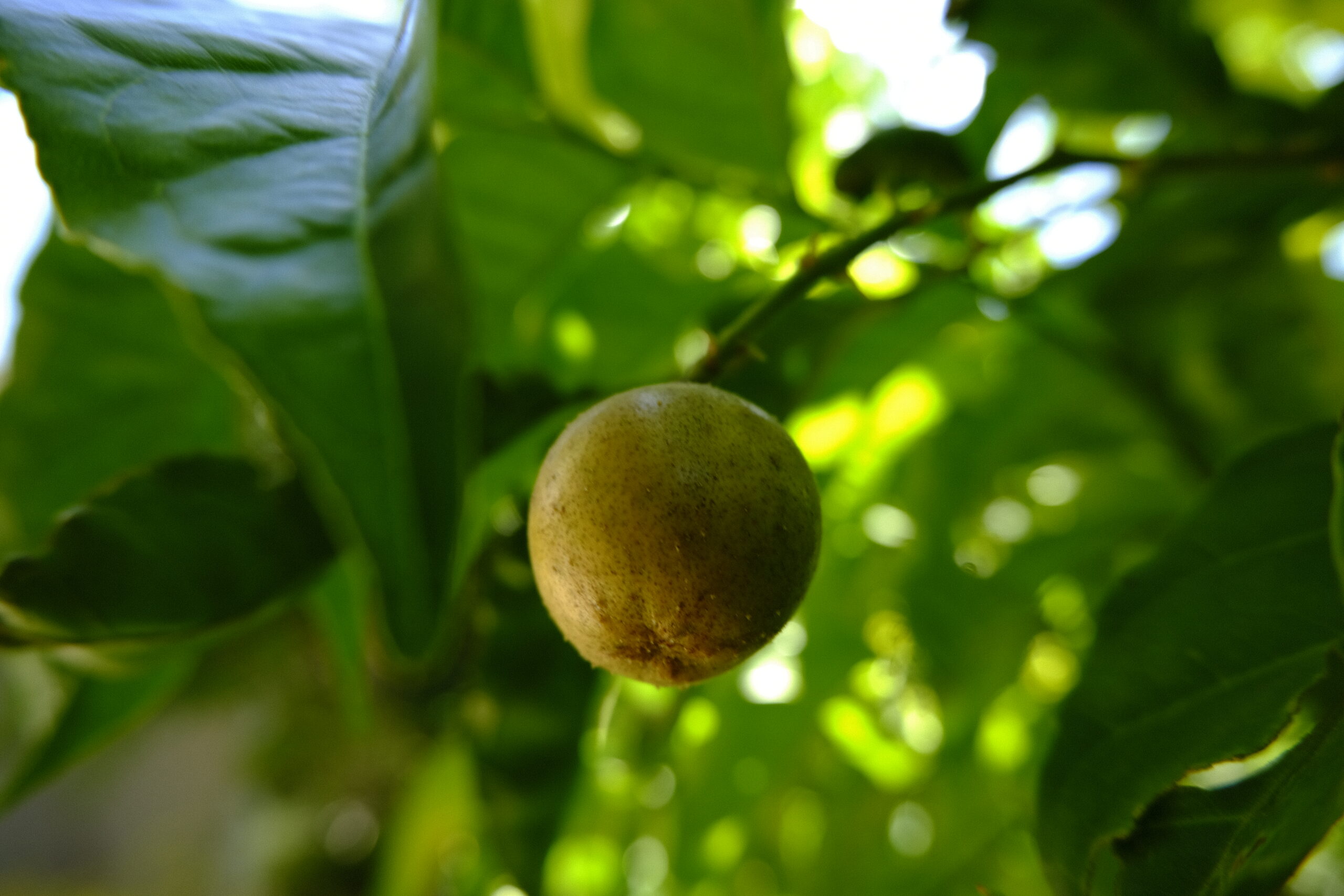
Originario del sudeste asiático (sobre todo sur de China y regiones vecinas), el wampee produce frutos en racimos, de forma ovalada o redondeada. Van cambiando de color a medida que maduran: los tonos oscuros son la señal de que llegaron a su máximo en dulzura.

Sabor y cosecha
La regla de oro: cosechá solo cuando estén bien maduros y oscuros. En ese momento son super dulces y de sabor fuerte; si los sacás antes pueden quedar ácidos o planos. Se comen frescos, y también quedan muy bien en jugos, mermeladas y conservas, pero la experiencia pura es comerlos recién cosechados.
Nuestra experiencia de cultivo
Tenemos el árbol desde hace 8 años. Actualmente está en una maceta geotextil de 100 L y siempre creció sin problemas: vigor similar al de un naranjo, floración y fructificación constantes. Da frutos exquisitos —muy dulces y con un sabor marcado—, pero insistimos: hay que esperar a que estén oscuros para cosechar.
¿Maceta o suelo?
Funciona en maceta (como lo demuestra el nuestro), pero lo ideal es plantarlo en suelo del jardín. En tierra abierta suele expresar mejor su potencial: más tamaño, más producción y menos atención constante en riego y abonado. Si no podés plantarlo en suelo, la maceta geotextil de 100 L es una alternativa excelente.

Consejos prácticos de cultivo
- Clima: subtropical a cálido; proteger de heladas fuertes.
- Sustrato: suelos bien drenados y ricos en materia orgánica.
- Riego: regular; evitar encharcamientos. En maceta controlar la humedad más seguido.
- Fertilización: estilo cítrico; algo de potasio ayuda a potenciar la dulzura de la fruta.
- Poda: mínima; poda de formación en jóvenes y poda ligera para abrir la copa.
- Cosecha: esperar color oscuro y tacto ligeramente blando; ahí están en su mejor momento.

Pequeño checklist antes de plantar
- Lugar con buena luz (buena luz de mañana; sombra parcial en tardes de calor extremo).
- Suelo bien drenado o enmendar con materia orgánica y algo de arena si es pesante.
- En maceta: 100 L geotextil mínimo; riego y abonado controlados.
- Paciencia: la madurez del fruto es la clave del sabor.
El wampee es un capricho que paga con creces: fácil de llevar, generoso en sabor y con una personalidad que rompe la monotonía frutal. Si lo tenés, tratá de cosechar con calma y esperar ese color oscuro —te va a explotar el paladar.

ENGLISH VERSION
Title: Wampee: the secret fruit tree that tastes like a miracle (and how we care for it)
Wampee (Clausena lansium, Family Rutaceae): a subtropical fruit tree with intense, sweet flavor. Real experience: 8 years of cultivation; 100 L geotextile pot; exquisite fruits when harvested fully ripe. Practical tips for the best harvest.
Categories: Fruit trees, Gardening, Subtropical
Tags: wampee, Clausena lansium, Rutaceae, container growing, 100L pot, exotic fruit trees

Short intro
Wampee (Clausena lansium), in the Rutaceae family, is a subtropical fruit tree that still surprises people who taste it for the first time. It resembles citrus in foliage and habit, but its flavor —when perfectly ripe— is unique: intensely sweet and full-flavored.
Origin and characteristics
Native to Southeast Asia (notably southern China and nearby areas), wampee produces clustered fruits that are oval or round. Their color darkens as they ripen —dark tones are the cue for peak sweetness.
Flavor and harvest
Golden rule: harvest only when fruits are fully ripe and dark. At that stage they’re super sweet and strongly flavored; picked early they can be sour or flat. Best eaten fresh, though they also work well in juices, jams, and preserves; the purest experience is fresh from the tree.
Our growing experience
We have had the tree for 8 years. It currently grows in a 100 L geotextile pot and has always developed without issues: vigor and structure much like a young orange tree. It produces exquisite fruits —very sweet and strongly flavored— but again: wait for the dark color before harvesting.

Pot vs ground
It works in a pot (ours proves it), but it’s recommended to plant in garden soil when possible. In the ground the wampee tends to reach larger size, higher yield, and requires less frequent watering and feeding. If planting in a pot is the only option, a 100 L geotextile container is an excellent choice.
Practical cultivation tips
- Climate: subtropical to warm; protect from severe frost.
- Soil: well-draining, rich in organic matter.
- Watering: regular, avoid waterlogging. In containers monitor moisture closely.
- Fertilizer: similar to citrus; potassium helps increase fruit sweetness.
- Pruning: minimal; formative pruning when young, light pruning to open the canopy.
- Harvest: wait for dark color and slightly soft touch — that’s peak flavor.
Quick checklist before planting
- Choose a spot with good light (strong morning sun; partial shade in hot afternoons).
- Ensure well-draining soil or amend it with organic matter and sand if needed.
- For containers: use at least a 100 L geotextile pot; manage watering and feeding.
- Be patient — fruit ripeness is the secret to flavor.
Wampee is a delightful oddball: easygoing, generous in flavor, and full of character. If you’ve got one, be patient with harvest time —wait for the dark, ripe fruits and your tastebuds will thank you.