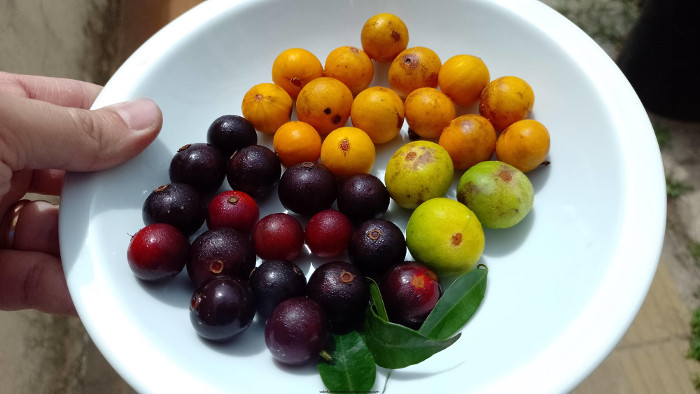
Context: Subtropical Junín, Buenos Aires (roughly USDA Zone 9a) is a valuable analogue for many subtropical and warm-temperate regions worldwide. Its climate features warm summers, mild winters with occasional frosts, moderate rainfall, and generally fertile but well-drained soils. The species below are described based on Junín field experience and are grouped by practical cold tolerance. Hardiness is shown as the approximate minimum temperature tolerated (°C and °F) for established trees; seedlings and young plants are more sensitive and benefit from shelter, mulch, and frost protection.
Regions outside South America with climates and soils similar to Junín, where these species can potentially thrive, include:
- South Florida, USA (Miami, Fort Lauderdale, USDA Zones 9b–10a) – Hot, humid summers, mild winters, sandy to loamy soils.
- Southern Texas, USA (Rio Grande Valley, USDA Zones 9a–9b) – Warm subtropical climate, fertile alluvial soils, occasional winter frosts.
- Coastal Georgia, USA (Savannah area, USDA Zones 8b–9a) – Humid subtropical, well-drained loam soils, moderate winter frosts.
- Southeast Queensland, Australia (Brisbane area, Zone 9–10) – Humid subtropical with mild frost, sandy-loam soils suitable for subtropical fruits.
- Eastern New South Wales, Australia (Coffs Harbour, Zone 9–10) – Subtropical climate, rich loamy soils, warm summers, mild winters.
- Northern New Zealand (Auckland region, Zone 9–10) – Mild, humid climate, fertile volcanic and alluvial soils, limited frost risk.
- Canary Islands, Spain (Tenerife lowlands, Zone 9–10) – Subtropical Mediterranean climate, volcanic well-drained soils, mild winters.
- Southern Portugal (Algarve, Zone 9a–9b) – Warm Mediterranean-subtropical climate, sandy-loam soils, occasional frost.
- Southern Italy (Sicily, Zone 9a–9b) – Warm temperate-subtropical, well-drained soils, mild winters, hot summers.
- Southern Japan (Kyushu, Zone 9a) – Humid subtropical, rich volcanic soils, occasional light frost, long warm summers.
This makes Junín a practical reference for growers in USDA Zones 8–9b in the United States and comparable subtropical regions in Europe, Asia, and Australia, providing guidance for cold-hardiness, cultivation, and soil adaptability for underutilized South American fruit trees.
USDA Zone 8 — Coldest survivors (approx. −8 to −12 °C / 17 to 10 °F for established plants)
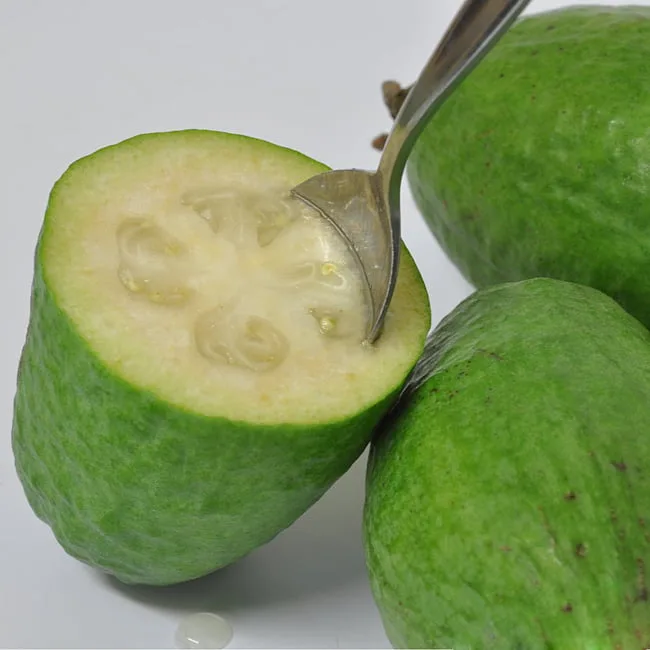
- Acca sellowiana (Feijoa / Pineapple guava)
Min survival: ~−9 to −12 °C / 16 to 10 °F (established).
Compact evergreen shrub/tree (2–4 m). Sweet aromatic fruit, easy to grow in well-drained soil and full sun. Good for hedges or small orchards. - Celtis tala (Tala / Tala hackberry)
Min survival: ~−10 °C / 14 °F (established).
Medium deciduous tree (6–10 m). Small sweet drupes; very drought-tolerant and useful as a shade/field tree. - Prosopis alba (Algarrobo blanco / Argentine mesquite)
Min survival: ~−12 to −9 °C / 10 to 15 °F.
Thorny, leguminous tree producing sweet pods used as food/animal forage; extremely drought-resistant. - Geoffroea decorticans (Chañar)
Min survival: ~−10 °C / 14 °F.
Small deciduous tree producing very sweet yellow-orange fruit; tolerant of arid soils once established. - Condalia microphylla (Piquillín grande)
Min survival: ~−8 °C / 17 °F (established).
Xerophytic shrub/small tree — very drought and cold tolerant. Small drupes that sweeten when ripe; excellent for low-input hedges and windbreaks. - Myrcianthes pungens (Guabiyú / Guabiju)
Min survival: ~−9 °C / 16 °F (established Junín provenances).
Evergreen tree (6–10 m) that produces dark purple, sweet berries. One of the best “zone-pushing” Myrtaceae — proven in Junín to survive hard winters and fruit reliably. Plant in full sun and good drainage; use clonal Junín-tested material for Zone 8 plantings. - Eugenia involucrata (Cherry of the Rio Grande — black, red, orange forms)
Min survival: ~−7 to −9 °C / 19 to 16 °F (proven clones).
Sweet cherry-like fruits; the orange forms are rare and aromatic. Clone local survivors for reproducible cold tolerance. - Large-Fruit Ubajay — Eugenia myrcianthes — Zone 8 (also Zone 9).
Cold tolerance: reliably to about −10 °C / 14 °F when established (Junín provenances). Large-fruit ubajay is a vigorous Myrtaceae that fruits reliably in our climate and is one of the most winter-tolerant Eugenia species we grow. Plant in full sun on loamy, well-drained soil and give regular summer water until established. For growers in Zone 8, use clonal material from Junín-tested trees or local survivors and site plants in protected microclimates for best results.
USDA Zone 9a — Moderate cold tolerance (approx. −6 to −8 °C / 21 to 17 °F)
- Ziziphus mistol (Mistol)
Min survival: ~−6 °C / 21 °F.
Hardy thorny tree with caramel-sweet drupes; heat, drought and poor-soil tolerant. Once established, very tough. - Acanthosyris spinescens (Quebrachillo)
Min survival: ~−7 to −8 °C / 19 to 17 °F.
Native multi-use shrub/tree — edible drupes, nectar for bees, robust in poor soils. Valuable for agroforestry. - Psidium longipetiolatum (Araçá serrano / mountain araçá)
Min survival: ~−7 °C / 19 °F (established).
Small–medium evergreen with citrusy, aromatic fruit stronger than common red araçá; more vigorous and generally hardier than many araçá cultivars. Suitable for Zone 8 (with good microsite) and Zones 9a/9b. - Eugenia uniflora (Pitanga / Surinam cherry — cold-tested lines)
Min survival: ~−6 to −7 °C / 21 to 19 °F (best selections).
Extremely productive, multiple selections exist — choose Junín-tested clones for Zone 9a and marginal Zone 8. - Psidium cattleianum (red strawberry guava)
Min survival: ~−5 to −6.6 °C / 23 to 20 °F.
Vigorous shrub/tree with sweet fruits; better cold tolerance than many Psidium species. - Plinia rivularis (Guaporetí jaboticaba)
Min survival: tolerant of occasional mild frost (~−5 °C / 23 °F).
Semi-evergreen jaboticaba relative — fragrant, sweet trunk fruits. Performs well in Junín when sheltered. - Plinia oblongata (Jabuticaba-Phonema / “agachada”)
Min survival: best above ~−5 °C / 23 °F (tender but ornamental).
Small tree that fruits on trunk; excellent flavor and ornamental value. Protect from hard frosts. - Campomanesia guazumifolia (Sete capotes)
Min survival: ~−6 to −7 °C / 21 to 19 °F.
Aromatic fruit; productive shrub/tree for mild winters. - Chrysophyllum viride (Aguaí dulce / Abiu-mirim)
Min survival: ~−6 °C / 21 °F (established and sheltered).
Sweet, soft fruit — prefers humus-rich soils and winter shelter when young. - Eugenia pyriformis / E. lutescens (Uvaia)
Min survival: ~−7 °C / 19 °F (established).
Fragrant tart-sweet fruit; adapts to heavier soils. - Eugenia repanda (Black ñangapiré)
Min survival: ~−5 to −6 °C / 23 to 21 °F.
Small dark fruits; good for jams and small-scale markets. - Annona neosalicifolia / A. sylvatica / A. rugulosa (Araticú — hardy Annona types)
Min survival: ~−7 °C / 19 °F (established Junín provenances).
Custardy, aromatic pulp — more citrusy/firm than red araçá. Good for Zone 8 (sited well) and Zones 9a/9b. - Eugenia florida
Min survival: ~−6 to −7 °C / 21 to 19 °F (Junín-tested lines).
Compact evergreen — sweet-tart fruit, good for jams and fresh eating. Clone cold-proven material for best results. - Jaboticaba serrana (Plinia spp., high-altitude / “serrana” types)
Min survival: ~−6 to −7 °C / 21 to 19 °F (established, clonal serrana material).
Classic cauliflorous jaboticaba fruit — intensely sweet, winey. Serrana provenances are among the few jaboticabas suited to marginal Zone 8/9 plantings; clone survivors for reproducible results. - Small-leaf / Sabará-type Jaboticabas (Plinia spp.)
Min survival: ~−6 to −7 °C / 21 to 19 °F (for cold-adapted selections).
Outstanding flavor; use clonal propagation to preserve cold tolerance and reduce time to fruit. - Arazá Johvy — Psidium aff. (Arazá Johvy) — Zone 9b.
Cold tolerance: approx −5 °C / 22 °F (tender to light frosts). Arazá johvy produces highly aromatic, tangy fruits prized for fresh use and processing; it performs well in warm subtropical pockets but suffers damage under hard freezes. Favor fertile, well-drained soil and moderate water during the growth season. Best for Zone 9b; in cooler sites grow in protected microclimates or containers. - Hardy Corrientes Jaboticaba — Plinia spp. (Corrientes selections) — Zone 9a (marginal Zone 8 with clones & shelter).
Cold tolerance: ~−6 °C / 21 °F for proven Corrientes selections (established, clonal trees). These “hardy Corrientes” jaboticabas were selected for better winter survival and fruit quality; they bear the classic cauliflorous clusters and are excellent for fresh markets. Clone survivors (grafting or cuttings) to secure the trait and plant in deep, humus-rich soil with mulch for root protection. In marginal Zone 8, plant in the warmest microspots and expect better survival with proven clones. - Scarlet Myrcia — Myrcia selloi (scarlet / yellow guava relatives) — Zone 9a.
Cold tolerance: estimated ~−5 °C / 23 °F (established). Scarlet Myrcia produces attractive, flavorful fruits and adapts to garden conditions when given decent soil and shelter. It’s a good fit for 9a plantings and for growers who want a tasty native with ornamental value; in colder sites treat as borderline and protect young stock. - Peach Cherry (local cultivar) — Eugenia aff. involucrata (Peach-cherry type) — Zone 8 / 9a.
Cold tolerance: approximately −7 °C / 19 °F when using Junín-tested clones. This local “peach cherry” selection combines a stone-fruit aroma with Eugenia sweetness and has shown good survival in our colder microclimates. Plant as you would other Eugenia: full sun, good drainage, and clone the best performers to reproduce the hardiness and flavor consistently. - Campomanesia xanthocarpa — Guabiroba / Guabirá (orange guabiroba) Cold tolerance: ~−6 to −8 °C °F / Flavor: citrusy, tangy, very aromatic (the “orange” forms stand out).Notes: prefers fertile and moist but well-drained soil; fruits reliably in milder winters. Zone: Zone 9a (best); Zone 8 only with protection.
🌱 USDA Zone 9b — Warmest subtropical (approx. −3 to −4 °C / 27 to 25 °F)
(quick reference for growers: “Min survival” = approximate lowest temp observed for established/partially protected specimens; microclimate, shelter and age matter a lot)
Species table — quick scan
| Species | Min survival (approx.) | Flavor / notes | Container suitability |
|---|---|---|---|
| Campomanesia neriiflora (Guavirá Johvy) | ~−3 °C / 27 °F | Small aromatic berries; pulp super good — do not chew seeds | ⭐⭐⭐ (OK short-term / large pots) |
| Myrciaria glazioviana (Cabeludona — special selection) | ~−4 to −5 °C / 25 to 23 °F (protected) | Sweet, palatable/citric tones; very good fresh | ⭐⭐⭐⭐ (good in big pots with root pruning) |
| Garcinia guacopary (Guacopary) | ~−4 to −5 °C / 25 to 23 °F | Tropical fruit, fragile to cold | ⭐⭐ (best in ground or very large heated pots) |
| Vitex megapotamica | ~−4 °C / 25 °F | Edible/ornamental; multi-use tree, rare | ⭐⭐⭐ (OK in large pots while young) |
| Melicoccus lepidopetalus (or similar Melicoccus) | ~−2 to −3 °C / 28 to 27 °F | Lychee-like pulp but sticky; amazing taste, warm-climate species | ⭐⭐ (ground preferred; big pot only short-term) |
| Euterpe edulis (Palmito / heart-of-palm) | ~−3 °C / 27 °F (young sensitive) | Palmy, ornamental; slow canopy, edible “palmito” | ⭐⭐⭐⭐ (very pot-friendly for many years) |
| Psidium sartorianum | ~−3 to −4 °C / 27 to 25 °F | Woodland-guava notes; pleasant, amazing leaves tea. | ⭐⭐⭐⭐⭐ (excellent in pots) |
| Annona cherimola / A. montana (Cherimoya / mountain soursop) | ~−2 to −3 °C / 28 to 27 °F | Sensitive; deliciuos pulp (cherimoya) | ⭐⭐ (usually ground; very large container only) |
| Black hybrid Jaboticaba / Plinia hybrids | ~−4 °C / 25 °F (some hybrids) | Classic jaboticaba flavor family; local hybrids vary, super sweet, 21º Brix or more | ⭐⭐⭐⭐ (very suitable for containers with root control) |
| Maclura tinctoria (Taiúva) | ~−3 °C / 27 °F | Structural timber/tree; fruit secondary | ⭐ (not recommended in pots) |
| Eugenia florida (Guamirim / Brazilian cherry relative) | reliably to −5 °C / 23 °F (Junín-tested) | Sweet-tart aromatic small fruits; excellent fresh / preserves | ⭐⭐⭐⭐⭐ (compact — great in pots) |
| Bunchosia glandulifera (Caferana / Peanut-butter fruit) | ~−3 °C / 27 °F | Exquisite — peanut-butter like pulp; great fresh | ⭐⭐⭐⭐ (works well in big pots) |
| Inga marginata & Inga uruguensis / uruguayensis | ~−3 °C / 27 °F | Sweet, cotton-candy like aril (edible pulp) | ⭐⭐ (fast large trees — ground preferred) |
Expanded notes — species by species
Campomanesia neriiflora (Guavirá Johvy)
Min survival: ~−3 °C / 27 °F — tender relative; best in 9b.
Flavor / use: Small aromatic berries; pulp is pleasant and fruity. Important: seeds are irritating if chewed — do not chew seeds.
Culture tips: Likes full sun to light shade, regular moisture and slightly acidic, well-drained soil. In pots: use a 20–40 L container, acid mix, and protect young plants from late frosts. Prune lightly to control size.
Container: ⭐⭐⭐ — manageable in pots for years if root-pruned and sheltered.
Myrciaria glazioviana (Cabeludona — special selection)
Min survival: ~−4 to −5 °C / 25 to 23 °F with protection.
Flavor / use: Sweet, very palatable berries — excellent fresh. Slow-growing selections can be container-friendly.
Culture tips: Partial shade when young; slightly acidic substrate; root pruning/repotting every 2–4 years helps vigor. Protect from strong freezes.
Container: ⭐⭐⭐⭐ — very suitable in large containers; good candidate for patio fruiting.
Garcinia guacopary (Guacopary)
Min survival: ~−4 to −5 °C / 25 to 23 °F (tropical, best sheltered).
Flavor / use: Tropical fruit profile — needs warm, sheltered microclimate.
Culture tips: Prefers humid, sheltered sites and rich organic soil. In containers, needs very large pots, warm microclimate, and protection from cold and wind.
Container: ⭐⭐ — possible only in very large, well-protected containers (or keep as conservatory specimen).
Vitex megapotamica
Min survival: ~−4 °C / 25 °F.
Flavor / use: Edible fruit moderately sized; also ornamental (flowers attract pollinators).
Culture tips: Drought tolerant once established; grows into a medium tree. In pots, keep root space generous and prune to maintain shape.
Container: ⭐⭐⭐ — fine in pots while young; best planted in ground long-term.
Melicoccus lepidopetalus (or similar Melicoccus)
Min survival: ~−2 to −3 °C / 28 to 27 °F (tender).
Flavor / use: Lychee-like pulp; prefers warmer subtropical microclimates.
Culture tips: Likes deep, well-drained soil and frost protection. In pots: large container, warm spot, good drainage.
Container: ⭐⭐ — usable short-term, ground preferred.
Euterpe edulis (Palmito / Heart-of-palm)
Min survival: ~−3 °C / 27 °F (young are sensitive).
Flavor / use: Ornamental clumping palm; young plants do well in pots and make attractive patio specimens. (Note: harvesting palm hearts removes stem — treat as ornamental unless you plan sustainable harvest.)
Culture tips: Prefers humus-rich, moist soil and dappled shade when young. Good container plant for many years; needs stable moisture and feeding.
Container: ⭐⭐⭐⭐ — very pot-friendly for decorative and nursery purposes.
Psidium sartorianum
Min survival: ~−3 to −4 °C / 27 to 25 °F.
Flavor / use: Pleasant guava-like fruit; woodland species with good flavor.
Culture tips: Sun to part shade, tolerates moderate soils, fruits earlier than many larger trees. Excellent for container production and small gardens.
Container: ⭐⭐⭐⭐⭐ — one of the best choices for pots.
Annona cherimola / Annona montana (Cherimoya / Mountain soursop)
Min survival: ~−2 to −3 °C / 28 to 27 °F (sensitive).
Flavor / use: Cherimoya is prized for its creamy, custard-like pulp — but trees are cold-sensitive. Annona montana is even more tropical.
Culture tips: Provide warm, sheltered sites, rich loose soil and moderate irrigation. In containers: only very large pots and strict frost protection; otherwise ground is recommended.
Container: ⭐⭐ — generally better planted in the ground.
Black Hybrid Jaboticaba / Plinia hybrids
Min survival: ~−4 °C / 25 °F for some hybrids.
Flavor / use: Classic jaboticaba family fruits; juicy, sweet/tart; many hybrids bred for faster fruiting and improved cold tolerance.
Culture tips: Superb for containers: manage roots, top-prune to promote canopy, acid to neutral substrate, steady moisture. Root pruning every 2–3 years improves flowering.
Container: ⭐⭐⭐⭐ — excellent; many collectors keep jaboticabas in pots.
Maclura tinctoria (Taiúva)
Min survival: ~−3 °C / 27 °F.
Flavor / use: Structural timber and agroforestry species; fruit is not main use.
Culture tips: Large long-term tree; not suited to container culture.
Container: ⭐ — avoid pots.
Eugenia florida (Guamirim / Brazilian cherry relative)
Zones: 9a–9b (marginal Zone 8 with shelter). Reliable to −5 °C / 23 °F in tested Junín trees.
Flavor / use: Compact evergreen with intensely aromatic sweet-tart fruits (1–2 cm). Great fresh, jams.
Culture tips: Full sun for best fruiting, tolerates poor soils, drought hardy once established. Excellent for patio containers and small gardens. Clonal selections recommended for reliable fruiting & cold hardiness.
Container: ⭐⭐⭐⭐⭐ — compact habit makes it a top container candidate.
Bunchosia glandulifera (Caferana / Peanut-butter fruit)
Min survival: ~−3 °C / 27 °F.
Flavor / use: Exquisite berries; pulp tastes like peanut-butter / caramelized nut — highly prized fresh.
Culture tips: Full sun to part shade, well-drained soil, protect from hard frost when young. Grafted plants fruit sooner.
Container: ⭐⭐⭐⭐ — performs very well in patio pots.
Inga marginata & Inga uruguensis / uruguayensis
Min survival: ~−3 °C / 27 °F.
Flavor / use: Sweet cottony aril around seeds — a delightful fresh snack. Trees grow fast and fix nitrogen, good for agroforestry.
Culture tips: Rapid growth; large canopy when mature. In pots they quickly outgrow containers; best used as soil trees or temporary nursery specimens.
Container: ⭐⭐ — OK temporarily; long-term planting in ground recommended.
Physalis peruviana (Cape Gooseberry / Goldenberry / Aguaymanto)
Min survival: ~−2 °C / 28 °F (very tender; best in warm subtropics or greenhouse).
Flavor / use: Sweet-tart, citrusy berries encased in a papery husk. Excellent fresh, in jams, desserts, or dried as snack. Rich in vitamin C.
Culture tips: Likes full sun, well-drained soil; moderately drought-tolerant once established. Protect from frost and heavy winds. Self-pollinating, but insects improve yields.
Container suitability: ⭐⭐⭐⭐⭐ — perfect for patio pots or balcony containers; fast-growing and compact if pruned lightly.
Uvita de campo (Wild Solanum / Small Wild Tomatillo)
Min survival: ~−2 to −3 °C / 28–27 °F (tender, very sensitive to frost).
Flavor / use: Small yellow-orange fruits with a slightly tart flavor; edible raw or cooked. Can be used for sauces, jams, or fresh snacking.
Culture tips: Likes full sun, fertile well-drained soil. Vigorous and somewhat sprawling; regular pruning keeps size manageable. Fruit ripens sequentially, extending harvest period.
Container suitability: ⭐⭐⭐ — manageable in medium-large pots for a few years, but sprawling habit favors ground planting long-term.
Solanum betaceum (Tomate de árbol / Tree Tomato)
Min survival: ~−2 to −3 °C / 28–27 °F (very frost-sensitive; warm 9b or greenhouse recommended).
Flavor / use: Sweet-tart elongated fruit; used fresh, in juices, sauces, and desserts. Rich in vitamins A and C.
Culture tips: Prefers sunny site, deep well-drained soil, and shelter from strong wind. Early pruning improves branching and fruiting. May need staking or trellis support.
Container suitability: ⭐⭐⭐⭐ — young plants do well in large pots (50–100 L), but trees become quite tall over time; transplant to ground for long-term fruiting.
Practical container guidelines (copy/paste short checklist)
- Pot size: small fruits & bushes → 20–40 L; medium trees → 60–120 L; tall trees → not recommended or >150 L.
- Substrate: slightly acidic, free-draining mix: compost + coconut coir/peat + perlite + small sand.
- Watering: keep evenly moist but not waterlogged; adjust by species (Annona/Prosopis prefer drier cycles; Eugenia/Plinia like steady moisture).
- Fertilizer: balanced slow-release NPK + occasional micronutrients; high potassium helps fruit set.
- Root pruning: every 2–4 years for plinias, eugenias and similar — reduces pot shock and encourages flowering.
- Winter protection: wrap pots, move to sheltered area or greenhouse if temps drop below species tolerance; mulch surface.
- Pollination: many species will set fruit with local pollinators — hand pollination can boost yields in containerized plants.
Practical notes (apply to all species)
- Provenance matters more than species name. For borderline cold tolerance, use clonal material from Junín-tested survivors or from higher-altitude provenances.
- Microclimate is decisive. Sheltered sites, thermal mass (walls, rocks), and windbreaks can raise the local minimum several degrees.
- Root protection. Mulch heavily (10–20 cm) around roots to blunt radiative cooling and insulate soil.
- Propagation. Seed is useful for variation; use cuttings/grafting/air-layering to reproduce proven cold-hardy individuals.
- Soil & water. Most Myrtaceae and Psidium prefer fertile, well-drained soil with organic matter; many natives (piquillín, mistol, algarrobo) tolerate poorer soils and drought.
- Pests. Fruit fly and scale are common in warm climates; orchard hygiene, netting at harvest and targeted controls reduce losses.
References
- HuertasUrbanas — Junín species pages, field notes and pre-sale profiles. — https://www.huertasurbanas.com/
- Tropical Fruit Forum — grower threads and provenance reports. — https://tropicalfruitforum.com/
- GrowingFruit — cold-hardiness discussions for subtropical species (feijoa, guabiju, pitanga threads). — https://growingfruit.org/
- Dave’s Garden / PlantFiles — grower reports and plant descriptions. — https://davesgarden.com/
- GardenOracle — pitanga / Eugenia general cultivation notes. — https://gardenoracle.com/
- PanamFrucht (informational blog about guava/jaboticaba cold tolerance and cultivation). — https://www.panamfrucht.com/
Container suitability — quick reference
Legend: ★★★★★ = best for containers | ★★★★☆ = very good | ★★★☆☆ = moderate (big pots / extra care) | ★★☆☆☆ = poor | ★☆☆☆☆ = not recommended
Good for containers — reliable fruiting in pots
- Plinia spp. (Jaboticaba: serrana, Sabará, small-leaf, Plinia rivularis, Black Hybrid Jaboticaba, etc.) — ★★★★★
Cauliflorous, responds excellently to root restriction; fruits reliably when clonal/grafted. - Eugenia uniflora (Pitanga — black / red / giant selections) — ★★★★★
Compact shrub, heavy fruiting, very container-friendly. - Eugenia involucrata (Rounded / Orange / Black Cherry types) — ★★★★★
Adapts very well to tubs; flowers and fruits in modest containers. - Eugenia florida (Guamirim) — ★★★★★
Small/medium fruit and compact habit — excellent patio/container tree. - Psidium cattleianum (Red strawberry guava) — ★★★★★
Bushy, vigorous, fruits well in medium pots. - Plinia rivularis (Guaporetí jaboticaba) — ★★★★★
Plinia that fruits early in pots; great for container orchards. - Plinia oblongata (Jabuticaba-Phonema / agachada) — ★★★★★
Ornamental, cauliflorous and very productive in tubs. - Feijoa (Acca sellowiana / Pineapple guava) — ★★★★☆
Performs very well in large tubs; manageable size and good yields. - Condalia microphylla (Piquillín grande) — ★★★★★
Slow, compact, low-maintenance — surprisingly good long-term pot plant. - Local Eugenia cherries (Dark Red Cherry, Orange Cherry, Peach Cherry, Best Red Junín) — ★★★★★
Compact local Eugenia selections that fruit reliably in containers. - Sete capotes (Campomanesia guazumifolia) — ★★★★☆
Shrubby habit; productive in pots when pruned and fed. - Black Hybrid Jaboticaba / other Plinia hybrids — ★★★★☆
Hybrids often fruit earlier and adapt extremely well to container life. - Myrciaria glazioviana (Cabeludona) — ★★★★☆
Responds well to pruning and pots; fruits reliably in large containers
Probably OK — works in pots with big tubs, root pruning or clonal stock
- Psidium longipetiolatum (mountain araçá) — ★★★☆☆
Vigorous and taller; manageable in very large/deep containers with regular root management. - Eugenia myrcianthes (Large-fruit Ubajay) — ★★★☆☆
Very productive; workable in very large tubs but better in ground long-term. - Campomanesia xanthocarpa (Guabiroba / Guabirá — orange types) — ★★★☆☆
Container-possible in large tubs with good fertility and consistent moisture. - Chrysophyllum viride (Aguaí dulce / Abiu-mirim) — ★★★☆☆
Works young in deep pots; needs extra room as it matures. - Psidium sartorianum and other wild Psidium relatives — ★★★☆☆
Container-possible but best in larger tubs for consistent fruiting. - Vitex megapotamica — ★★★☆☆
Possible with root pruning and large container; not a small-pot species. - Guavirá Johvy (Campomanesia neriiflora) — ★★★☆☆
Works in big tubs in warm zones; prefers ground if space allows. - Hybrid araçá / Psidium hybrids (Arazá hybrids) — ★★★★☆
Many hybrids adapt to pots and fruit sooner than seedling stock (moved up per your note). - Biribá / Rollinia / some Annona grafted examples — ★★★☆☆
Occasionally successful grafted in pots; requires close water/nutrient attention (note: general Annona group still listed as NOT recommended long-term).
Not suitable for containers — avoid long-term container culture
- All Annona spp. (Annona parviflora / cherimoya / Annona montana / biribá generally) — ★☆☆☆☆
Best in ground; even grafted plants usually struggle long-term in pots. - Melicoccus lepidopetalus (large tree / big fruit) — ★☆☆☆☆
Too large for containers long term. - Geoffroea decorticans (Chañar) — ★☆☆☆☆
Deep-rooted, arid tree — not for pots. - Celtis tala (Tala) — ★☆☆☆☆
Shade tree with deep roots — ground only. - Prosopis alba (Algarrobo blanco) — ★☆☆☆☆
Large, long-lived, deep roots — not a container species. - Ziziphus mistol (Mistol) — ★☆☆☆☆
Field/park tree; not recommended for containers. - Acanthosyris spinescens (Quebrachillo) — ★☆☆☆☆
Deeper rooting multi-use native — avoid pots. - Maclura tinctoria (Taiúva) — ★★☆☆☆
Large structural tree; not ideal in containers. - Euterpe edulis (Palmito / heart-of-palm) — ★★☆☆☆
Short-term container possible for juveniles; long-term better in ground. - Garcinia guacopary (Guacopary) — ★★☆☆☆
Tender and best planted in ground or very large protected tubs; not recommended for general container hobbyists.
Quick pasteable care tips (put this under the table)
- Pot size: 20–40 L minimum for true container species; 80–200 L (or larger) for “Probably OK” items.
- Mix: fast-draining mix with ~30–50% compost or coir + perlite/pumice.
- Fertilizer: regular balanced feeding (every 6–8 weeks in season); extra potassium for fruiting.
- Water: water deeply but avoid waterlogging — containers dry faster.
- Root pruning: repot and prune roots every 2–4 years to maintain vigor.
- Cold protection: group pots, move near walls, or shelter in winter for marginal Zone 8 growers.
- Best practice: use grafted/clonal plants for faster fruiting and consistent cold/taste traits (especially Jaboticaba, Plinia hybrids, araçá and Eugenia clones).
| Species | Usual Zones | Container score | One-line note |
|---|---|---|---|
| Plinia spp. (jaboticaba — serrana, Sabará, small-leaf, Black Hybrid, Plinia rivularis, etc.) | Zone 9a–9b (marginal Zone 8 for serrana) | ★★★★★ | Cauliflorous; responds excellently to root restriction and fruits reliably when clonal/grafted. |
| Eugenia uniflora (Pitanga — black / red / giant selections) | Zone 8–9 | ★★★★★ | Compact, heavy-fruiting shrub; excellent container performer. |
| Eugenia involucrata (Rounded / Orange / Black Cherry types) | Zone 8–9 | ★★★★★ | Adapts very well to tubs; flowers and fruits in modest containers. |
| Eugenia florida (Guamirim) | Zone 9a–9b (marginal Zone 8) | ★★★★★ | Compact habit and small/medium fruit — top patio/container choice. |
| Psidium cattleianum (Red strawberry guava) | Zone 9a–9b (some protection in 8) | ★★★★★ | Bushy, vigorous; fruits well in medium pots. |
| Plinia rivularis (Guaporetí jaboticaba) | Zone 9a–9b (marginal Zone 8) | ★★★★★ | Plinia that fruits early in pots; great for container orchards. |
| Plinia oblongata (Jabuticaba-Phonema / agachada) | Zone 9a–9b | ★★★★★ | Ornamental and productive in tubs; very container-friendly. |
| Feijoa (Acca sellowiana / Pineapple guava) | Zone 8–9 | ★★★★☆ | Performs very well in large tubs; manageable size and good yields. |
| Condalia microphylla (Piquillín grande) | Zone 8–9 | ★★★★★ | Slow, compact, low-maintenance — surprisingly good long-term in pots. |
| Local Eugenia cherries (Dark Red, Orange, Peach, Best Red Junín) | Zone 8–9 | ★★★★★ | Compact local Eugenia selections that fruit reliably in containers. |
| Campomanesia guazumifolia (Sete capotes) | Zone 9a (some 8) | ★★★★☆ | Shrubby habit; productive in pots when pruned and fed. |
| Black Hybrid Jaboticaba / other Plinia hybrids | Zone 9a–9b (marginal 8) | ★★★★☆ | Hybrids fruit earlier and adapt extremely well to container life. |
| Psidium longipetiolatum (mountain araçá) | Zone 8–9 | ★★★☆☆ | Vigorous and taller; manageable in very large/deep containers with root management. |
| Eugenia myrcianthes (Large-fruit Ubajay) | Zone 8–9 | ★★★☆☆ | Very productive; workable in very large tubs but prefers ground long-term. |
| Campomanesia xanthocarpa (Guabiroba / Guabirá — orange types) | Zone 9a | ★★★☆☆ | Container-possible in large tubs with good fertility and consistent moisture. |
| Chrysophyllum viride (Aguaí dulce / Abiu-mirim) | Zone 9a | ★★★☆☆ | Works young in deep pots; needs extra room as it matures. |
| Myrciaria glazioviana (Cabeludona) | Zone 9b (protected) | ★★★★☆ | Responds well to pruning and pots; fruits reliably in large containers. |
| Psidium sartorianum & other wild Psidium relatives | Zone 9b | ★★★☆☆ | Container-possible but best in larger tubs for consistent fruiting. |
| Vitex megapotamica | Zone 9b | ★★★☆☆ | Possible with root pruning and large container; not a small-pot species. |
| Campomanesia neriiflora (Guavirá Johvy) | Zone 9b | ★★★☆☆ | Works in big tubs in warm zones; prefers ground where space allows. |
| Arazá hybrids / Psidium hybrids (Arazá hybrids) | Zone 9a–9b | ★★★★☆ | Many hybrids adapt to pots and fruit sooner than seedling stock. |
| Biribá / Rollinia / some grafted Annona examples | Zone 9a–9b | ★★★☆☆ | Occasionally successful grafted in pots; requires close water/nutrient attention. |
| All Annona spp. (Annona parviflora / cherimoya / Annona montana / biribá generally) | Zone 9a–9b | ★☆☆☆☆ | Best in ground; even grafted plants usually struggle long-term in pots. |
| Melicoccus lepidopetalus | Zone 9b | ★☆☆☆☆ | Large tree habit and big fruit — not suited to containers long-term. |
| Geoffroea decorticans (Chañar) | Zone 8–9 | ★☆☆☆☆ | Deep-rooted, arid tree — not for pots. |
| Celtis tala (Tala) | Zone 8 | ★☆☆☆☆ | Shade tree with deep roots — ground only. |
| Prosopis alba (Algarrobo blanco) | Zone 8 | ★☆☆☆☆ | Large, long-lived, deep roots — not a container species. |
| Ziziphus mistol (Mistol) | Zone 9a | ★☆☆☆☆ | Field/park tree; not recommended for containers. |
| Acanthosyris spinescens (Quebrachillo) | Zone 8–9 | ★☆☆☆☆ | Deeper-rooting multi-use native — avoid pots. |
| Maclura tinctoria (Taiúva) | Zone 9b | ★★☆☆☆ | Large structural tree; not ideal for containers. |
| Euterpe edulis (Palmito / heart-of-palm) | Zone 9b | ★★☆☆☆ | Short-term container possible for juveniles; long-term better in ground. |
| Garcinia guacopary (Guacopary) | Zone 9b | ★★☆☆☆ | Tender and best planted in ground or very large protected tubs; not recommended for hobby containers. |
Precocity (Time to First Fruiting) — Practical Field Guide
Important context:
Precocity varies strongly depending on climate. Warmer subtropical climates with mild winters and warm nights generally produce faster growth and earlier fruiting. In cooler marginal climates, growth slows and fruiting may be delayed.
General rule:
- Warmer climates → earlier fruiting.
- Cool winters or cold nights → slower establishment.
- Example: a jaboticaba fruiting in ~7 years in marginal subtropical climates may fruit in ~5 years in warmer humid regions, or ~9 years in cooler coastal climates.
| Species / Group | Typical Time to Fruit (from seed) | Precocity Score | Notes |
|---|---|---|---|
| Psidium species (araçás, hybrids, longipetiolatum) | 2–4 years | ⭐⭐⭐⭐⭐ | Among the fastest producers; early crops may be small but increase rapidly. |
| Eugenia species (E. uniflora, involucrata, repanda, florida/guamirim, others) | 3–5 years | ⭐⭐⭐⭐ | Often produce small early crops; yield increases significantly with age. |
| Myrcianthes pungens (Guabiju) | 3–5 years | ⭐⭐⭐⭐ | Hardy and reliable once established. |
| Campomanesia species (sete capotes, guabiroba, xanthocarpa) | 3–6 years | ⭐⭐⭐ | Generally moderate precocity; flavor improves with maturity. |
| Annona species (hardy araticú types) | 3–6 years | ⭐⭐⭐ | Faster in warm climates; better planted in ground. |
| Plinia species (jaboticabas general) | 5–10+ years | ⭐⭐ | Production increases dramatically with age; hybrids usually faster. |
| Plinia rivularis (Guaporetí jaboticaba) | 7–12 years | ⭐ | Slow growing; benefits from partial shade when young. |
| Condalia microphylla (Piquillín) | 3–6 years | ⭐⭐⭐ | Slow growth but steady development. |
| Eugenia myrcianthes (Ubajay) | 3–6 years | ⭐⭐⭐ | Moderate precocity depending on climate. |
| Chrysophyllum viride (Aguaí dulce) | 4–6 years | ⭐⭐⭐ | Variable depending on growing conditions. |
🍓 EDIBILITY, PEEL & SEED SAFETY — PRACTICAL CONSUMPTION GUIDE
⚠️ IMPORTANT NOTE FOR FIRST-TIME GROWERS
Many growers outside South America will experience these fruits for the first time only after growing them themselves. Unlike in regions where these species are traditionally consumed, there is often no prior knowledge about which parts of the fruit are eaten or avoided.
Because of this, basic consumption guidelines should always be clarified:
- Edible vs. non-edible parts.
- Texture and flavor expectations.
- Potential secondary hazards (large seeds, tannins, irritating compounds).
🌿 GENERAL RULES
✔️ Skins (peels)
In many South American Myrtaceae and native fruits:
- The skin is technically edible.
- However, palatability varies greatly.
Common patterns:
- Some skins contain high levels of tannins → astringency or dryness.
- Some skins are acidic, fibrous, or bitter and traditionally avoided.
Examples:
Jaboticabas (Plinia spp.)
- Skin is edible but thick and tannin-rich.
- Often slightly acidic/astringent compared to pulp.
- Some people eat the whole fruit; others prefer pulp-only depending on taste.
- Excessive peel consumption may produce strong astringency.
Guavirá johvy and related species
- Skin can be acidic or sharp.
- Edibility depends on personal preference and ripeness.
Chañar, mistol, coquito de San Juan
- Skins generally edible but frequently avoided due to texture, bitterness, or dryness.
❌ Annona species (cherimoya, atemoya, soursop relatives)
- Skin is not eaten.
- Usually bitter and unpleasant.
- Seeds must never be chewed or crushed:
- Annona seeds contain bioactive compounds and are traditionally used as insecticidal agents.
- Only pulp is consumed.
⚠️ Campomanesia species (IMPORTANT CLARIFICATION)
- Seeds should not be chewed.
- Seeds are often extremely spicy, resinous, or irritating when bitten.
- Swallowing seeds whole may occur accidentally, but intentional chewing is strongly discouraged.
General guideline:
👉 Eat pulp; avoid crushing seeds with teeth.
Notes:
- Skin edibility varies by species.
- Example: Campomanesia xanthocarpa skin is generally acceptable, though seeds remain irritating.
✔️ Psidium and many Eugenia species
- Usually eaten whole.
- Seeds commonly swallowed rather than chewed.
- Texture varies by species and ripeness.
🌰 SPECIES WITH TRADITIONALLY EDIBLE OR ROASTED SEEDS
Some South American species include seeds that are traditionally consumed after preparation:
Chañar (Geoffroea decorticans)
- Seeds may be roasted and eaten.
- Often processed into traditional foods.
Araucaria (Araucaria angustifolia — “piñones”)
- Seeds edible after roasting or cooking.
- Important traditional food in southern Brazil and Argentina.
Inga species
- Edible aril/pulp is primary edible portion.
- Seeds may be cooked or roasted in some traditional contexts depending on species.
Quebrachillo (Acanthosyris spinescens)
- Seeds reported as edible after roasting/preparation in traditional use.
Note:
👉 Preparation method matters; raw consumption is not always traditional.
⚠️ PRACTICAL SAFETY NOTES
Large seeds
Many fruits contain large or firm seeds:
- Potential choking hazard for children and elderly individuals.
- First-time consumers should separate pulp from seeds until familiar with the fruit.
Tannins and astringency
Tannin-rich skins (e.g., jaboticaba):
- Can produce dry mouthfeel.
- May cause mild digestive discomfort if consumed excessively.
- Traditional preparations sometimes remove skins for juices or processed products.
🍇 FIRST-TIME TASTING EXPECTATIONS
Growers unfamiliar with these fruits should expect:
- Strong flavor differences between pulp and skin.
- Sweet-acid balance rather than purely sweet profiles.
- Aromatic complexity typical of South American native fruits.
✔️ QUICK REFERENCE SUMMARY
| Group | Skin | Seeds | Recommendation |
|---|---|---|---|
| Jaboticaba (Plinia) | Edible, tannic | Avoid chewing | Whole fruit optional |
| Eugenia spp. | Usually edible | Swallow whole | Generally safe |
| Psidium spp. | Edible | Small seeds | Eat whole |
| Campomanesia spp. | Variable | DO NOT chew (spicy) | Eat pulp |
| Annona spp. | Not eaten | Do not chew/crush | Pulp only |
| Araucaria | Not applicable | Edible cooked | Roast/cook seeds |
| Chañar | Variable | Edible roasted | Traditional preparation |
☕ Traditional Roasted Seeds & “Coffee-Like” Preparations from South American Native Fruits
🌿 Cultural Context
In several regions of South America, especially arid and subtropical areas, certain native fruits and seeds have traditionally been roasted and used to prepare warm beverages or nutritious food products.
These preparations are not true coffee but may develop toasted, nutty, or caramelized flavors that resemble coffee or cocoa when roasted and ground.
For growers outside South America, this information provides useful insight into traditional uses beyond fresh fruit consumption.
☕ Native Species with Traditional Roasted Seed or Pod Uses
🌳 Algarrobo (Prosopis alba / Prosopis nigra)
- Mature pods can be dried, roasted, and ground.
- Used to prepare traditional beverages sometimes referred to as “carob coffee” or roasted algarrobo drink.
- Naturally sweet with caramel, cocoa-like, and toasted flavors.
- Caffeine-free.
- Widely used in northern Argentina and surrounding regions.
Traditional notes:
- Pods may also be processed into flour.
- Roasting enhances aroma and reduces raw vegetal flavors.
🌰 Chañar (Geoffroea decorticans)
- Traditionally known for syrups (arrope), flour, and regional preparations.
- Seeds may be roasted and consumed.
- Roasted material can produce warm infusion-style beverages.
- Flavor tends toward mild nuttiness rather than strong bitterness.
🌲 Araucaria (Araucaria angustifolia — “piñones”)
- Large edible seeds traditionally roasted or boiled.
- Can be ground after roasting.
- Used primarily as food but occasionally prepared as warm beverages.
- Flavor profile: starchy, nutty, mild.
🌱 Inga species (Ice Cream Bean relatives)
- Known primarily for edible pulp/aril.
- Seeds may be cooked or roasted in some traditional contexts.
- Beverage use is uncommon but possible depending on region and species.
🌳 Quebrachillo (Acanthosyris spinescens)
- Ethnobotanical references indicate roasted seeds used for consumption.
- Preparation methods vary.
- Included here as a lesser-known traditional edible seed species.
🔥 Why Roasting Was Traditionally Used
Roasting native fruits or seeds historically served several purposes:
- Improves digestibility.
- Enhances aroma and flavor complexity.
- Reduces bitterness or raw plant compounds.
- Allows storage and preparation as warm, nourishing drinks.
This “roasting culture” existed independently from coffee traditions and reflects local adaptation to native plant resources.
⚠️ Important Consumption Notes
- Not all seeds from native fruits are suitable for roasting or chewing.
- Some species produce seeds that should not be chewed due to irritation or strong compounds.
Example:
Campomanesia spp.
- Pulp edible.
- Seeds should NOT be chewed.
- Seeds may be extremely spicy, resinous, or irritating when crushed. But the fruit pulp is very good!
🌱 Practical Notes for Growers
For collectors growing these species outside South America:
- Traditional uses may vary between regions.
- Preparation methods are part of cultural knowledge and experimentation.
- Always start with small quantities when exploring new edible uses.
MASTER SUMMARY — Species, Zone, Container Score & Precocity (English)
Legend
- Container score: ★★★★★ = excellent in pots; ★★★☆☆ = possible with big pots/management; ★☆☆☆☆ = not recommended.
- Precocity (from seed): ★★★★★ = very early (≈2–4 yrs); ★ = very late (≈10+ yrs).
- Zones refer to practical planting recommendation: Zone 8 / Zone 9a / Zone 9b.
- Condalia microphylla — Piquillín grande
- Zone: Zone 8 / 9
- Container: ★★★★★
- Precocity: ★★★☆☆
- Note: slow, very hardy; excellent for pots and hedges.
- Psidium aff. (Arazá Johvy)
- Zone: Zone 9b
- Container: ★★★☆☆
- Precocity: ★★★☆☆
- Note: aromatic fruit; tender to hard freezes—best in 9b or large pots.
- Eugenia florida — Guamirim
- Zone: Zone 9a–9b (marginal Zone 8)
- Container: ★★★★★
- Precocity: ★★★★☆
- Note: compact, small–medium fruits; top patio/container species.
- Psidium robustum / Psidium sp. — Large-fruit Arazá
- Zone: Zone 9b (9a marginal)
- Container: ★★★☆☆
- Precocity: ★★★☆☆
- Note: more tropical; prefer warmer soils or large containers.
- Plinia spp. — Hardy Corrientes jaboticaba (Corrientes selections)
- Zone: Zone 9a (marginal Zone 8 with clones)
- Container: ★★★★★
- Precocity: ★★☆☆☆–★★★☆☆
- Note: Corrientes selections are quicker; cloning recommended.
- Eugenia involucrata — Orange / Rounded Cherry (local forms)
- Zone: Zone 8–9
- Container: ★★★★★
- Precocity: ★★★★☆
- Note: Junín clones are great for pots and early production.
- Myrcianthes pungens — Guabijú / Guabiju
- Zone: Zone 8–9
- Container: ★★★☆☆
- Precocity: ★★★★☆
- Note: extremely hardy (≈−9 °C); better in ground but possible in big pots.
- Eugenia sp. — Rounded Black Cherry (selection)
- Zone: Zone 8–9
- Container: ★★★★★
- Precocity: ★★★★☆
- Note: compact local selection, good production in pots.
- Chrysophyllum viride — Abiu-mirim / Aguaí dulce
- Zone: Zone 9a (9b ideal)
- Container: ★★★☆☆
- Precocity: ★★★☆☆
- Note: sweet pulp; prefers deep pots or ground.
- Campomanesia neriiflora — Guavirá Johvy
- Zone: Zone 9b
- Container: ★★★☆☆
- Precocity: ★★★☆☆
- Note: ultra-rare; seeds bitter/spicy — process pulp, discard seeds.
- Garcinia guacopary — Guacopary
- Zone: Zone 9b
- Container: ★★☆☆☆
- Precocity: ★★★☆☆
- Note: tropical, tender — avoid Zone 8 unless sheltered.
- Vitex megapotamica
- Zone: Zone 9b (9a with protection)
- Container: ★★★☆☆
- Precocity: ★★★☆☆
- Note: ornamental + edible; prefers space or large pots.
- Plinia cv. ‘Eldorado’ — Jaboticaba Eldorado
- Zone: Zone 9a/9b (marginal 8 with cold-tested clones)
- Container: ★★★★☆
- Precocity: ★★★☆☆
- Note: prized fruit size/flavor; cultivar-dependent hardiness.
- Geoffroea decorticans — Chañar
- Zone: Zone 8–9
- Container: ★☆☆☆☆
- Precocity: ★★★☆☆
- Note: pasture/tree species; better in-ground.
- Myrciaria glazioviana — Cabeludona
- Zone: Zone 9b (9a protected)
- Container: ★★★★☆
- Precocity: ★★★☆☆
- Note: fruits well in large pots; tasty fruit.
- Eugenia uniflora — Pitanga (black / red / giant / Best Red Junín)
- Zone: Zone 8–9
- Container: ★★★★★
- Precocity: ★★★★★
- Note: very precocious and productive; excellent in pots.
- Campomanesia guazumifolia — Sete capotes
- Zone: Zone 9a (Zone 8 marginal)
- Container: ★★★★☆
- Precocity: ★★★☆☆
- Note: shrubby; fruitful in pots if pruned and fed.
- Melicoccus lepidopetalus
- Zone: Zone 9b
- Container: ★☆☆☆☆
- Precocity: ★★★☆☆–★★☆☆☆ (estimate)
- Note: large tree and fruit — not for pots.
- Myrcia selloi — Scarlet Myrcia
- Zone: Zone 9a
- Container: ★★★★☆
- Precocity: ★★★☆☆
- Note: good-flavored native; container-capable.
- Eugenia uniflora var. gigantea — Giant Red Pitanga
- Zone: Zone 8–9
- Container: ★★★★★
- Precocity: ★★★★☆
- Note: large-fruited pitanga selection — excellent for containers.
- Eugenia repanda — Black ñangapiré
- Zone: Zone 9a (Zone 8 marginal)
- Container: ★★★★☆
- Precocity: ★★★☆☆
- Note: small sweet fruits; good in pots.
- Plinia (Jaboticaba de Capioví — local)
- Zone: Zone 9a (marginal 8 if clonal)
- Container: ★★★★★
- Precocity: ★★★☆☆–★★☆☆☆
- Note: local Plinia; clone to secure traits.
- Annona parviflora / A. neosalicifolia / A. sylvatica / A. rugulosa — Hardy Araticú types
- Zone: Zone 8/9a
- Container: ★☆☆☆☆
- Precocity: ★★★☆☆
- Note: custard-like pulp; seeds toxic if chewed — discard seeds.
- Eugenia sp. — Dark Red Cherry (local selection)
- Zone: Zone 8/9a
- Container: ★★★★★
- Precocity: ★★★★☆
- Note: Junín selection ideal for fresh markets.
- Euterpe edulis — Palmito (heart-of-palm)
- Zone: Zone 9b (9a marginal)
- Container: ★★☆☆☆
- Precocity: —
- Note: cultivated for hearts; fruiting not primary.
- Psidium sartorianum
- Zone: Zone 9b
- Container: ★★★☆☆
- Precocity: ★★★☆☆
- Note: wild guava relative; OK in larger pots.
- Eugenia sp. — Pitanga (Best Red Junín & local types)
- Zone: Zone 8–9
- Container: ★★★★★
- Precocity: ★★★★★
- Note: very productive Junín clones.
- Psidium cattleianum — Strawberry guava (red)
- Zone: Zone 9a–9b (8 with protection)
- Container: ★★★★★
- Precocity: ★★★★★
- Note: very precocious; excellent container shrub.
- Eugenia sp. — Peach Cherry (local cultivar)
- Zone: Zone 8/9a
- Container: ★★★★★
- Precocity: ★★★★☆
- Note: stone-fruit aroma; good container performer.
- Annona cherimola / Annona montana — Cherimoya / Mountain soursop
- Zone: Zone 9b (9a protected)
- Container: ★☆☆☆☆
- Precocity: ★★★☆☆–★★☆☆☆
- Note: large fruits; seeds not edible — choking risk if whole fruit given to kids.
- Plinia (Black Hybrid Jaboticaba / hybrids)
- Zone: Zone 9a–9b (marginal 8 with clones)
- Container: ★★★★☆
- Precocity: ★★★★☆
- Note: hybrids fruit earlier; good in pots.
- Plinia oblongata — Jabuticaba-Phonema
- Zone: Zone 9a–9b
- Container: ★★★★★
- Precocity: ★★★☆☆–★★★★☆ (grafted faster)
- Note: ornamental and productive in tubs.
- Maclura tinctoria — Taiúva
- Zone: Zone 9b
- Container: ★★☆☆☆
- Precocity: ★★★☆☆
- Note: large moraceous tree — not ideal for pots.
- Eugenia myrcianthes — Large-fruit Ubajay
- Zone: Zone 8–9
- Container: ★★★☆☆
- Precocity: ★★★☆☆
- Note: hardy (≈−10 °C); vigorous — best in ground or very large tubs.
- Feijoa — Acca sellowiana (Pineapple guava)
- Zone: Zone 8–9
- Container: ★★★★☆
- Precocity: ★★★☆☆
- Note: cold-tolerant; fruits earlier when grafted.
- Ziziphus mistol — Mistol
- Zone: Zone 9a
- Container: ★☆☆☆☆
- Precocity: ★★★☆☆
- Note: native pasture tree — best in ground.
- Celtis tala — Tala
- Zone: Zone 8
- Container: ★☆☆☆☆
- Precocity: ★★★☆☆
- Note: shade tree; not for containers.
- Prosopis alba — Algarrobo blanco
- Zone: Zone 8
- Container: ★☆☆☆☆
- Precocity: ★★★☆☆
- Note: deep-rooted, long-lived — ground only.
- Acanthosyris spinescens — Quebrachillo
- Zone: Zone 8–9
- Container: ★☆☆☆☆
- Precocity: ★★★☆☆
- Note: agroforestry species — better in ground.
- Psidium longipetiolatum (mountain araçá / araçá serrano)
- Zone: Zone 8–9
- Container: ★★★☆☆
- Precocity: ★★★★☆
- Note: more citrusy & vigorous; good in large pots.
- Campomanesia xanthocarpa — Guabiroba naranja / Guabirá
- Zone: Zone 9a (9b ideal)
- Container: ★★★☆☆
- Precocity: ★★★☆☆
- Note: skin usually fine (Junín), seeds spicy — process or discard seeds.
- Myrcia / Myrciaria spp. (various, incl. Myrcia selloi)
- Zone: Zone 9a
- Container: ★★★★☆
- Precocity: ★★★☆☆
- Note: many local tasty selections — confirm per clone.
- Melicoccus lepidopetalus
- Zone: Zone 9b
- Container: ★☆☆☆☆
- Precocity: ★★★☆☆–★★☆☆☆
- Note: big tree/fruit — not for pots.
- Psidium sartorianum
- Zone: Zone 9b
- Container: ★★★☆☆
- Precocity: ★★★☆☆
- Note: woodland guava relative; OK in large containers.
- Vitex megapotamica
- Zone: Zone 9b
- Container: ★★★☆☆
- Precocity: ★★★☆☆
- Note: ornamental/edible; needs more root space.
- Jabuticaba de Capioví (local Plinia)
- Zone: Zone 9a
- Container: ★★★★★
- Precocity: ★★★☆☆
- Note: local clonal selection — clone to guarantee fruiting.
- Dark Red Cherry (local Eugenia selection)
- Zone: Zone 8/9a
- Container: ★★★★★
- Precocity: ★★★★☆
- Note: great for fresh markets; clonal reliability recommended.
- Peach Cherry (local Eugenia cultivar)
- Zone: Zone 8/9a
- Container: ★★★★★
- Precocity: ★★★★☆
- Note: aromatic, productive in pots.
- Arazá hybrids (Psidium hybrids)
- Zone: Zone 9a–9b
- Container: ★★★★☆
- Precocity: ★★★★☆
- Note: hybrids tend to fruit earlier.
- Annona group (biribá, cherimoya, graviola, etc.)
- Zone: Zone 9a–9b
- Container: ★☆☆☆☆
- Precocity: ★★★☆☆
- Note: generally ground-planted; grafted biribá sometimes works in pots but not ideal.