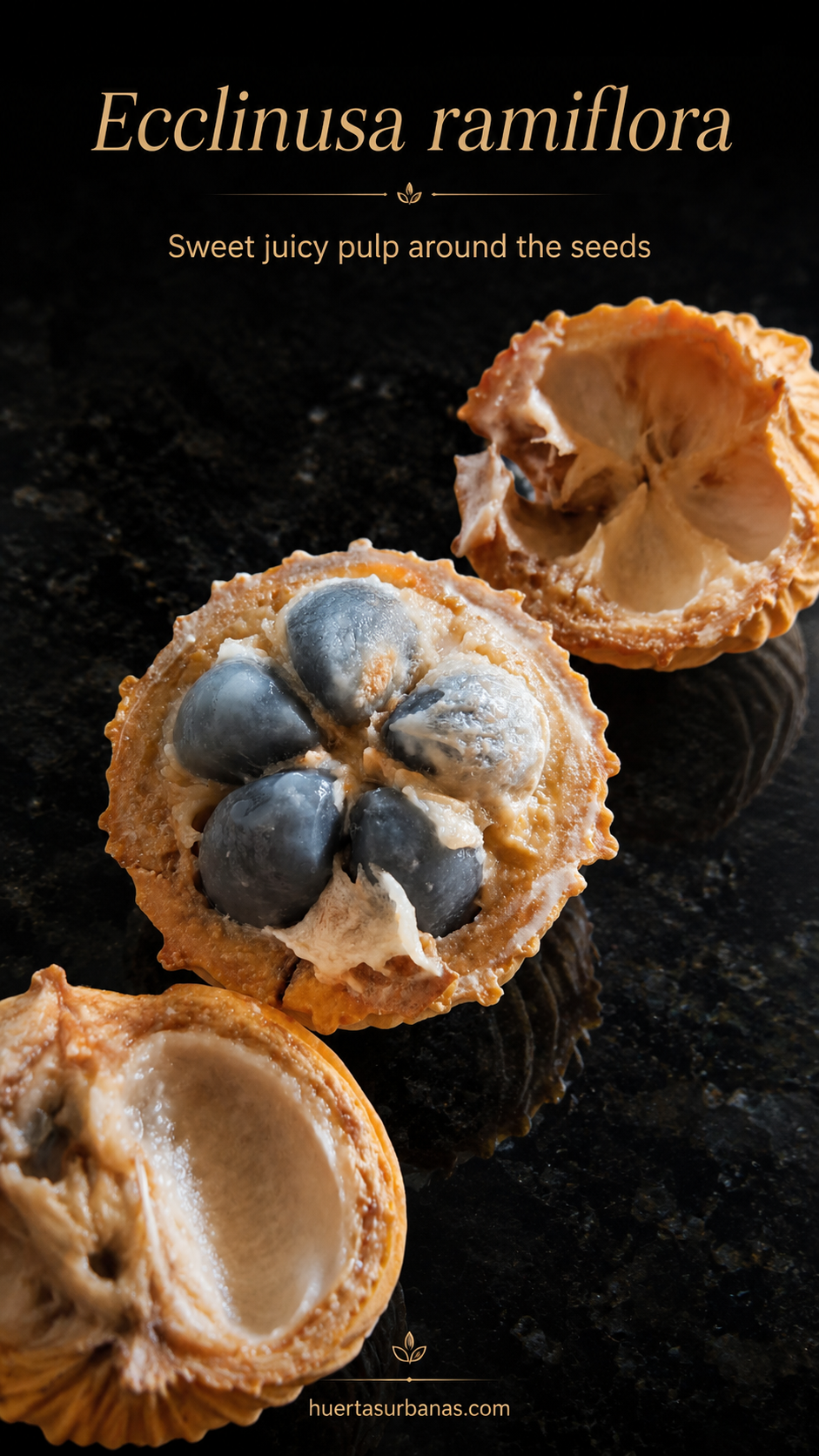
Description
A spectacular ribbed Brazilian Sapotaceae
Ecclinusa ramiflora is one of the most visually unusual fruiting Sapotaceae in our August 2026 collection.
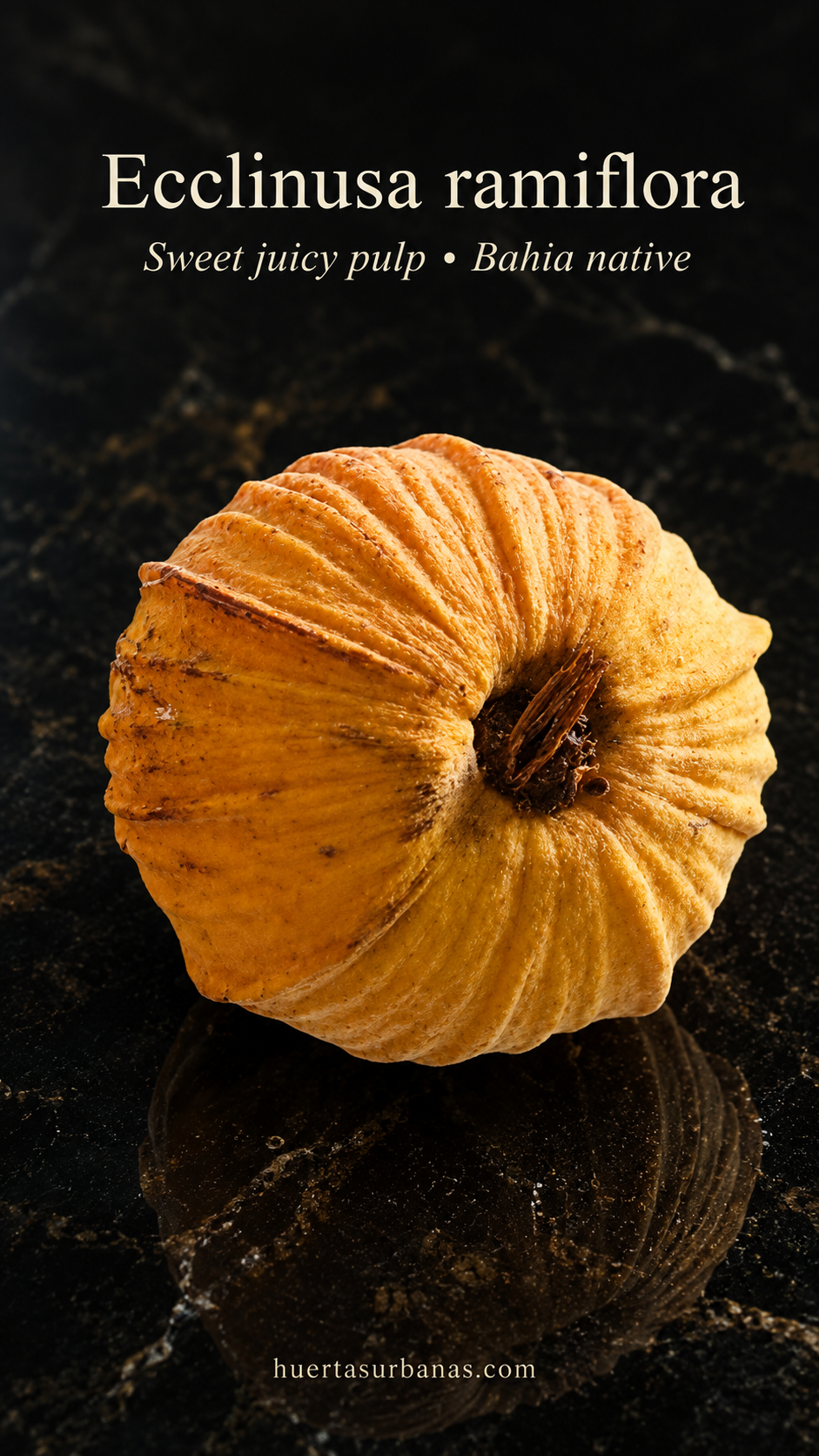
The fruits have a striking deeply ribbed or strongly grooved appearance, immediately distinguishing them from most better-known tropical sapotes.
But this accession is not interesting only because of its unusual fruit shape.
The Brazilian collector described the seed-source fruit as very sweet and juicy.
The seed-source plant was also described as a small and very productive tree.
Very sweet fruit + juicy pulp + exceptional productivity + small-tree habit.
Very sweet and juicy pulp
The direct field description of this material emphasized the sweetness of the fruit.
The edible pulp associated with the skin and seeds was described as:
Very sweet
Juicy
Pleasant to eat
These observations are based on direct tasting of the actual seed-source fruit by the Brazilian collector.
A very productive fruit tree
One of the most attractive characteristics reported for this accession is its high productivity.
The seed-source plant was described as very productive, producing an impressive fruit display.
For rare fruit collectors, this is particularly interesting because many obscure wild Sapotaceae are known primarily as botanical curiosities.
This material combines rarity with a genuinely attractive reported fruiting habit.
Small-tree habit
The plant associated with the seed collection is described as a small tree.
This adds considerable horticultural interest for growers maintaining diverse tropical fruit collections or multiple rare Sapotaceae accessions.
Final plant size will naturally vary according to climate, soil and cultivation conditions.
Deeply ribbed fruits
The unusual fruit morphology is one of the first characteristics that makes this material immediately recognizable.
The fruits are strongly grooved and deeply ribbed, creating a highly ornamental appearance.
This distinctive morphology, combined with the reported sweetness and productivity of the plant, makes the accession especially attractive for advanced collectors.
Brazilian collector material
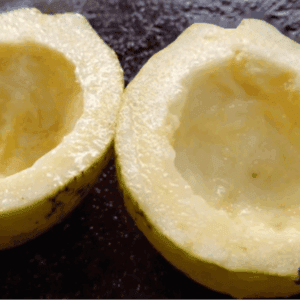
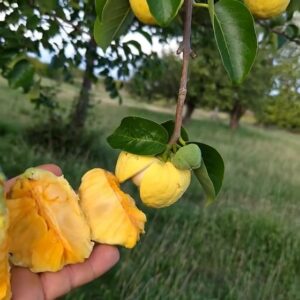
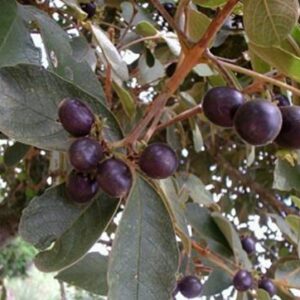
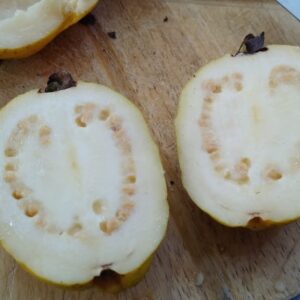
This seed lot originates from Brazil and is connected directly with the documented seed-source material shown in the photographs associated with this listing.
Ecclinusa remains an exceptionally uncommon genus in international edible-fruit collections.
Seeds of this type of Brazilian Sapotaceae are only rarely encountered in the regular international seed trade.
Fruit and plant characteristics
Fruit appearance: Deeply ribbed / strongly grooved
Flavor: Very sweet
Pulp: Juicy; edible pulp associated with the skin and seeds
Productivity: Described as very productive
Tree habit: Small tree
Origin: Brazil
The flavor, productivity and plant-habit observations are based on direct field information associated with the seed-source material.
Botanical Information
Scientific name: Ecclinusa ramiflora
Family: Sapotaceae
Genus: Ecclinusa
Fruit: Strongly ribbed / grooved
Flavor: Very sweet
Pulp: Juicy
Tree habit: Small tree according to collector observations
Collector interest: Very high
Why this species is exceptional
The commercial and collector appeal of this material is unusually straightforward:
Spectacular ribbed fruit
Very sweet flavor
Juicy edible pulp
Very productive plant
Small-tree habit
Rare Brazilian Sapotaceae
It brings something completely different to a collection dominated by Plinia, Eugenia, and Myrciaria.
This is one of the most unusual Sapotaceae materials in our August collection.
August Pre-Sale
⚠️ AUGUST PRE-SALE ITEM
This listing is part of our August 2026 rare seed collection.
The August Pre-Sale is separate from our July Pre-Sale.
Orders containing August pre-sale items will be prepared with the corresponding August rare seed batch.
Initial quantities are intentionally limited.
Germination & Care
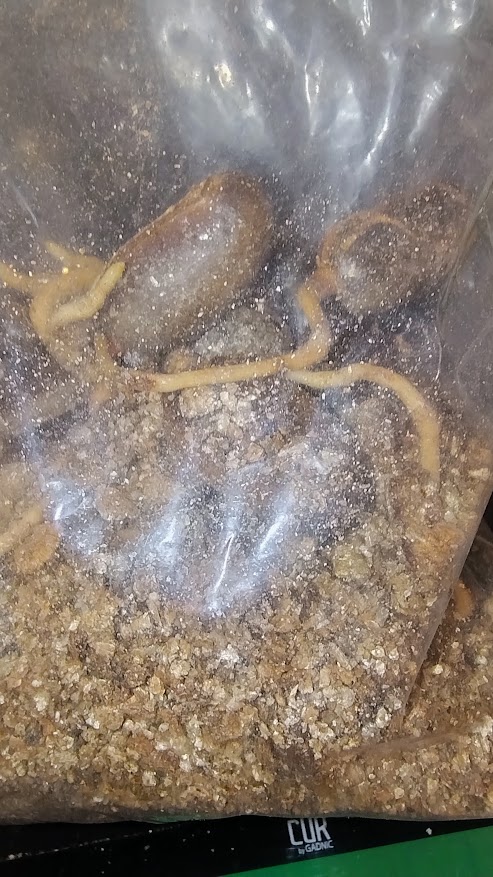
Fresh Sapotaceae seeds should be planted as soon as possible after arrival.
Use a moist, organic, loose and well-aerated growing medium with excellent drainage.
Keep the growing medium consistently moist but never permanently waterlogged.
Do not intentionally dry fresh seeds before planting.
Warm conditions and bright indirect light or partial shade are recommended during early development.
Handle any seed showing early root development very carefully and plant immediately.
Important Collector Note
The principal characteristics associated with this seed-source material are its deeply ribbed fruit, very sweet and juicy pulp, high reported productivity, and small-tree habit.
As with any seed-grown wild or uncommon fruit tree, individual seedlings may show natural variation.
Reviews
There are no reviews yet.