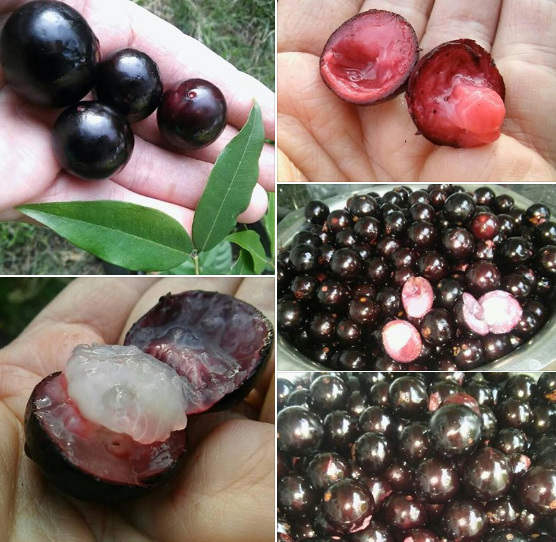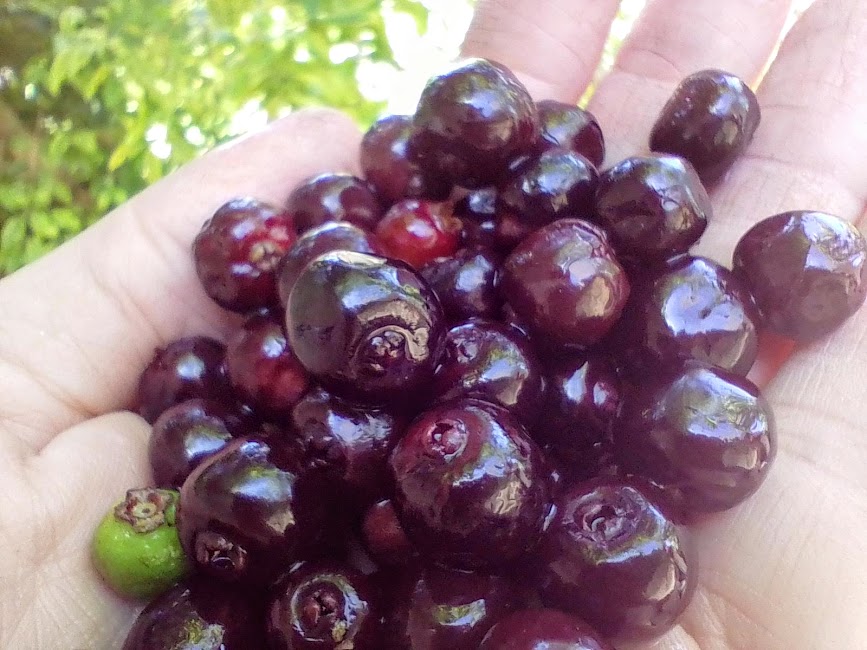
Eugenia species are prized for their ornamental appeal and tasty fruits. Growing these rare trees from seed requires a balanced environment and proper care.

Remember: All the rare Eugenia seeds featured here are available for purchase directly on our website.
Introduction
Eugenia seeds are highly recalcitrant—they do not tolerate drying well. To preserve their viability, if you must store them, keep them in a moist medium (such as vermiculite, sand, or perlite) instead of letting them dry out.
Step-by-Step Process
- Storing and Preparing the Seeds
– If you’re not sowing immediately, store fresh Eugenia seeds in a cool, moist, airtight container with a little vermiculite or sand to maintain humidity.
– Always use fresh seeds when possible for optimal results. - Sowing the Seeds
– Fill your pots with a well-draining potting mix (a blend of peat moss, perlite, and a little sand works well).
– Plant the seeds at a depth of about ¼ to ½ inch, then lightly cover with soil and water gently. - Optimal Germination Conditions
– Keep the soil consistently moist (without overwatering).
– Place the pots in a warm spot (70°F–80°F / 21–27°C) with indirect sunlight.
– Expect germination within one to four weeks. - Seedling Care
– Once seedlings emerge, ensure they receive plenty of light to develop sturdy growth.
– Transplant individual seedlings into larger pots once they have developed a couple of true leaves.
Conclusion
With the right conditions and careful storage (keeping them moist), your rare Eugenia seeds will germinate beautifully. Enhance your tropical garden by ordering fresh Eugenia seeds from our website today!