Description
Fresh July Batch — Seeds Already Sprouting!
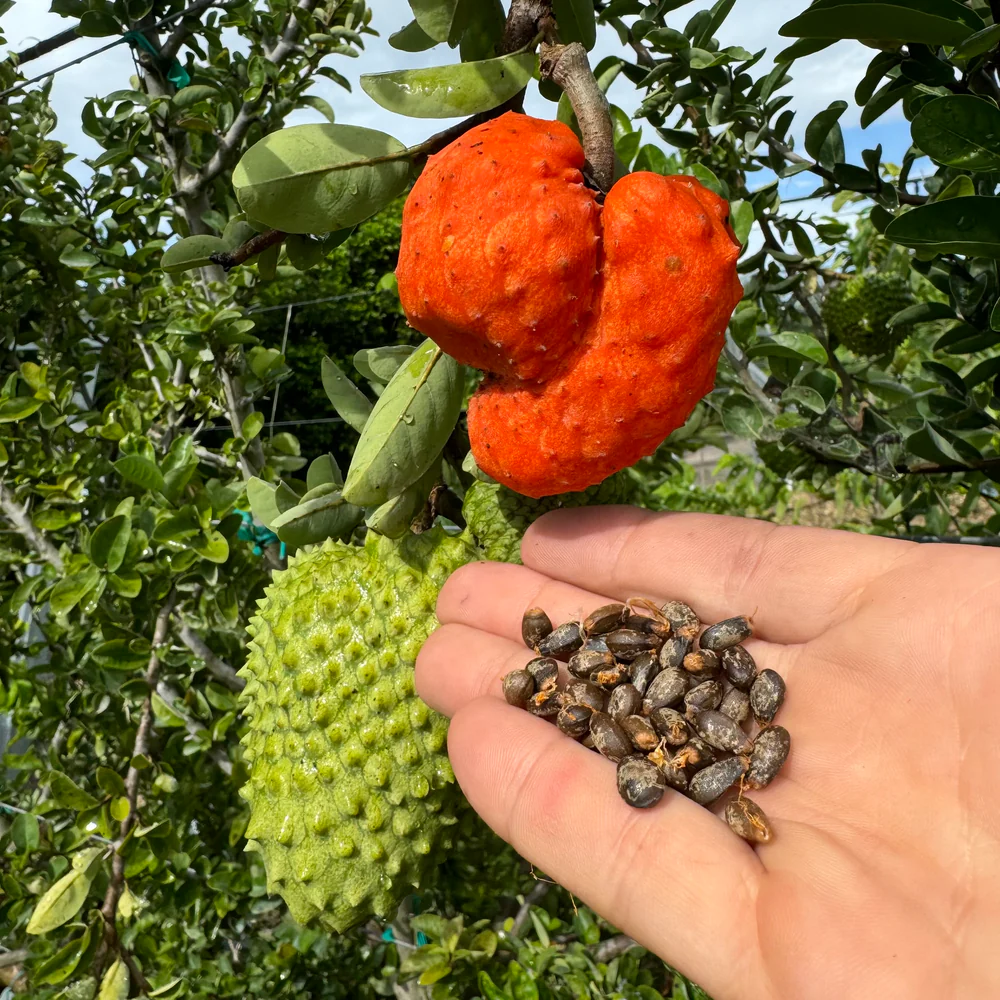
Our fresh Annona spinescens seeds have arrived in excellent condition, and several were already sprouting during transit. This provides direct evidence of the exceptional freshness and viability of the current lot.
Why This Species Is Special
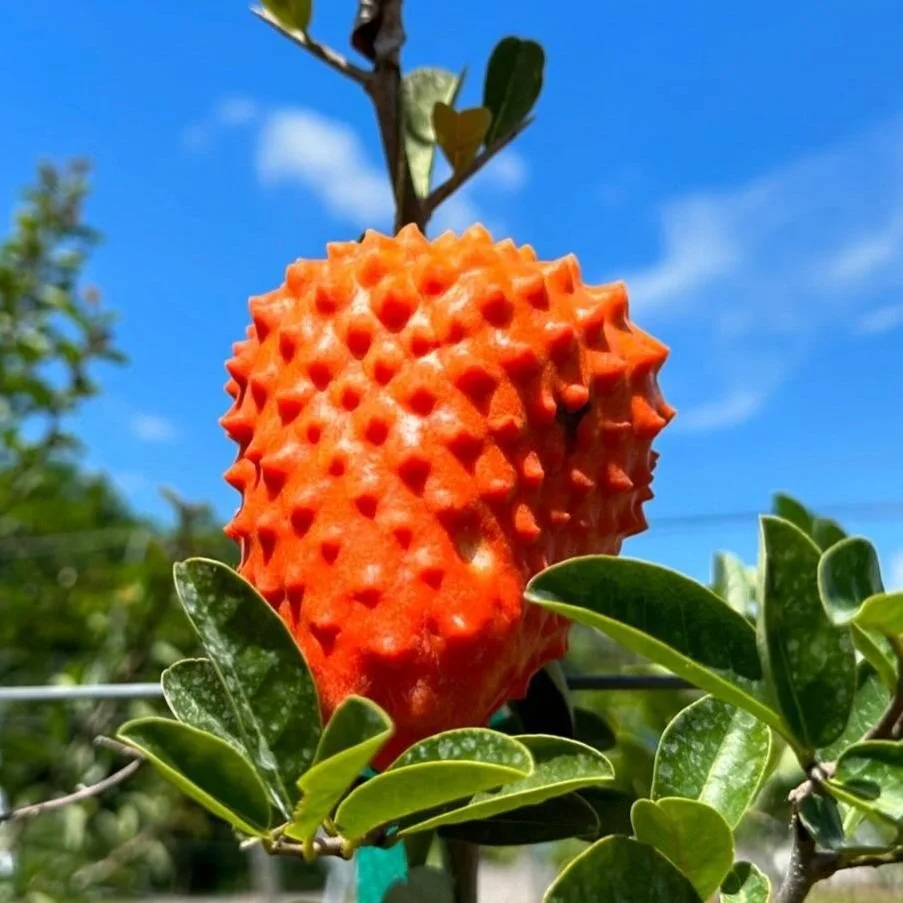
Annona spinescens is an exceptionally rare Brazilian Annona, sometimes offered under the collector names “Orange Soursop” or “Red Cherimoya.”
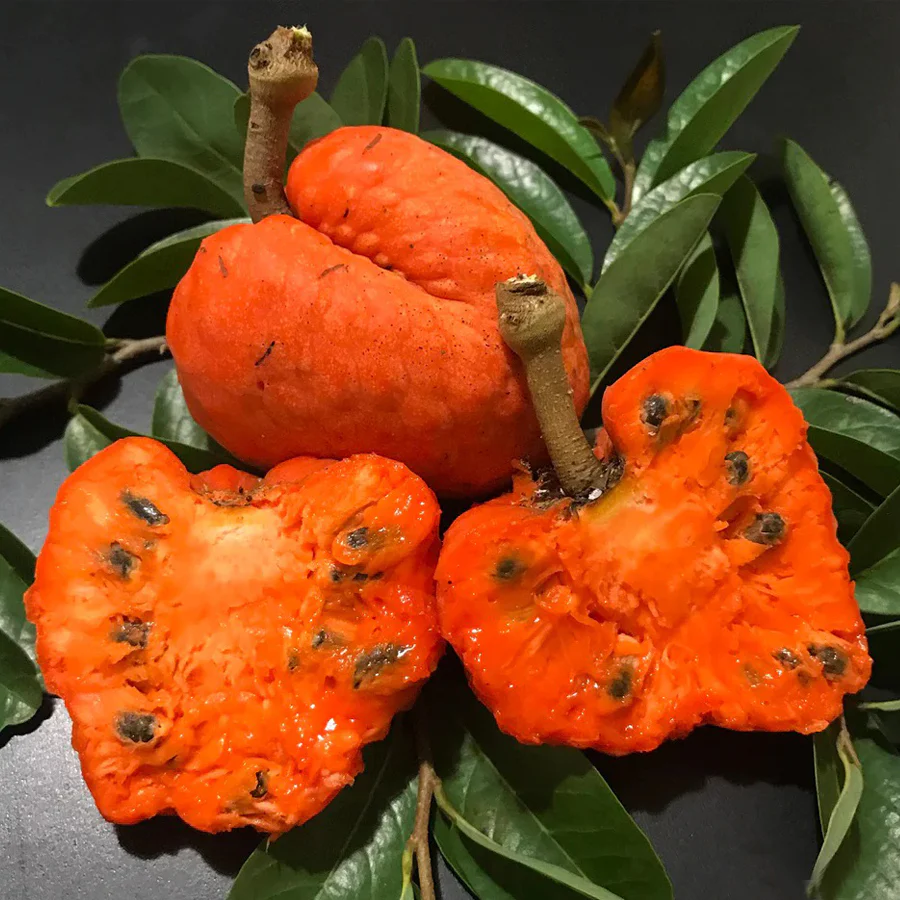
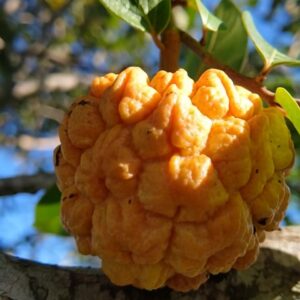
It grows as a small, often spiny shrub or tree and produces highly unusual, textured fruits that mature from green to bright orange or reddish-orange. The pulp is creamy, aromatic and juicy, giving this species genuine edible-fruit potential in addition to its considerable ornamental and collector value.
It remains extremely uncommon in cultivation and is only occasionally available through specialist rare-fruit collections.
Origin and Natural Habitat
Native to South America, particularly eastern and central Brazil, Annona spinescens occurs in seasonally dry tropical vegetation, low dry forest and gallery forest, frequently on sandy or well-drained soils.
Its adaptation to seasonal dryness makes it especially interesting for collectors growing rare Annonaceae in warm tropical and subtropical climates.
Description
- Habit: Spiny shrub or small tree, generally reaching approximately 3–5 metres in cultivation and occasionally developing a scrambling growth habit.
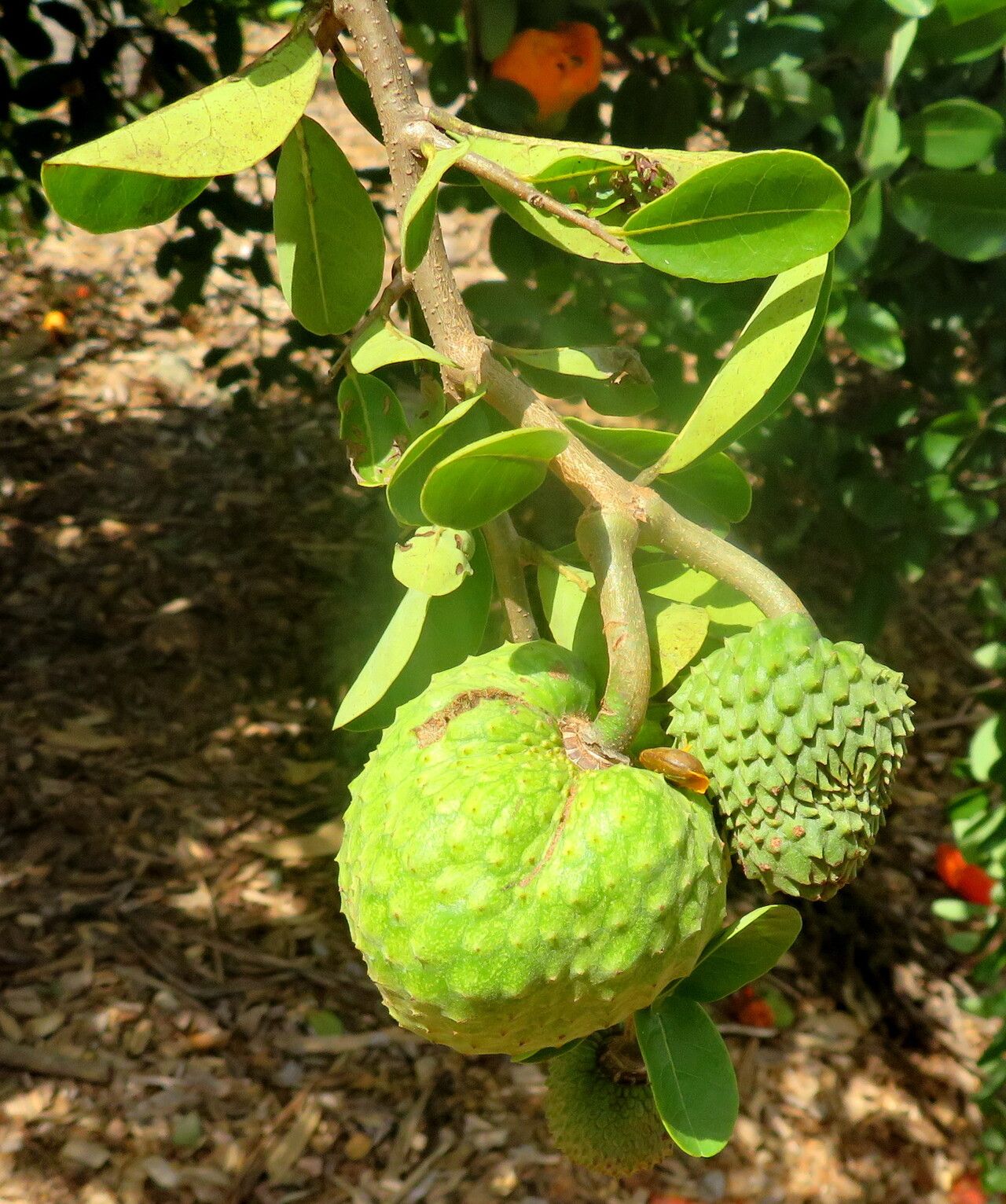
- Branches: Distinctive branches with sharp, thorn-like shoots.
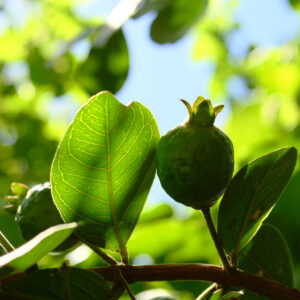
- Leaves: Pale to medium green, with young growth often showing a soft or slightly furry appearance.
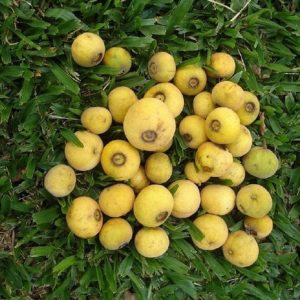
- Fruit: Usually apple-sized, with a coarse, bumpy or tuberculate surface.
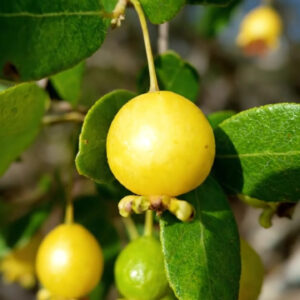
- Fruit colour: Green when immature, becoming bright orange to reddish-orange when fully ripe.
- Pulp: Creamy, juicy and aromatic, with an attractive orange colour.
Cultivation Notes
- Climate: Best suited to tropical and warm-subtropical climates.
- Temperature: Young plants should be protected from frost. Established plants may tolerate brief cool periods, but this species should still be treated as frost-sensitive.
- Soil: Use a fertile, organic-rich and well-draining substrate. Sandy soils are suitable when moisture and nutrients are maintained.
- Water: Provide regular moisture during establishment, but avoid waterlogged conditions.
- Light: Bright shade or partial sun while young, gradually introducing the plant to stronger sunlight as it develops.
- Containers: Young plants can be maintained in pots, making the species suitable for greenhouse and protected cultivation.
Germination and Current Seed Condition
Freshness has a major influence on Annona seed germination. Growers have reported the first Annona spinescens seeds germinating in approximately 3–4 weeks under warm and consistently moist conditions, although some seeds may require more than 60 days or emerge gradually over several months.
The current lot is particularly promising: several seeds arrived already sprouting during transit. This is an excellent indication that the seeds were collected and handled fresh and that active, viable embryos are present.
Sowing Instructions
- Sow immediately after arrival.
- Use a loose, clean and well-draining substrate.
- Maintain temperatures of approximately 24–30°C.
- Keep the substrate consistently moist, but never waterlogged.
- Provide bright shade or filtered light during germination.
- Do not discard unsprouted seeds prematurely; germination may be staggered.
Why Grow Annona spinescens?
- Exceptionally rare Brazilian Annona.
- Spectacular orange to reddish-orange fruit.
- Creamy, aromatic and juicy edible pulp.
- Distinctive spiny growth and strong ornamental appeal.
- Several seeds from the current lot are already sprouting.
- Excellent material for rare-fruit and Annonaceae collectors.
- Suitable for containers, greenhouses and warm gardens.
Fresh, actively germinating collector material — available only while the current lot lasts.
Reviews
There are no reviews yet.