Description
Key product highlights
-
Botanical name: Solanum oocarpum (often referenced in literature and collections; historically confused with or compared to Solanum robustum).
-
Common names: juá-açú, Brazilian sunberry.
-
Sun: Full sun to partial shade
-
Soil: Well-draining, fertile; tolerates a range of soils
-
Hardiness: Subtropical / marginally frost-sensitive — treat as tender perennial or annual depending on your climate.
-
Time to first fruit: Varies by climate and nursery practice (often several months to a year from seed under sub-tropical conditions).

Long description — story & uses
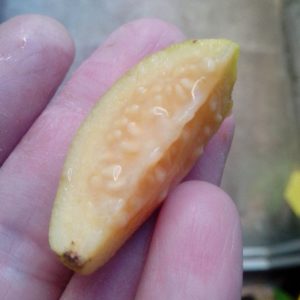
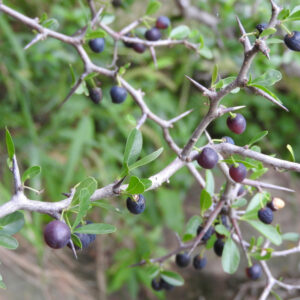
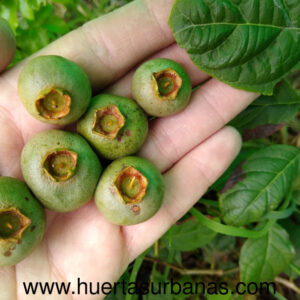
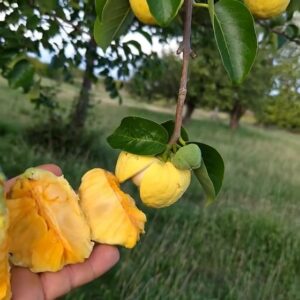
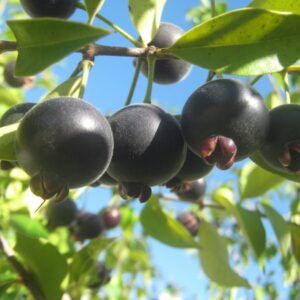
Juá-açú is a little-known wild Solanum with striking, flavorful fruit that some collectors describe as complex and exotic (notes of kiwi, apricot, passionfruit in tasting reports). It’s been collected and propagated by fruit collectors in Brazil and introduced to specialty growers and seed circles in recent years. Because it’s rare in cultivation, it’s prized by enthusiasts for small edible-garden plots, botanical collections, and experimental gastronomy.
Sowing & growing (practical)
-
Seed prep: Sow fresh; no special scarification needed.
-
Germination temp: Warm conditions recommended (typical tropical/subtropical seed temps).
-
Depth: Surface sow or lightly cover; use a fine, well-draining seed mix.
-
Germination time: Variable (weeks to months depending on conditions).
-
Transplant: Harden off and transplant after seedlings have true leaves and risk of frost has passed.
-
Care: Regular watering, good drainage, and airflow. Prune to shape; many Solanum species benefit from staking/support if sprawling.
Edibility & safety — what the evidence says (summary)
-
Scientifically investigated: Juá-açú (Solanum oocarpum, “Brazilian sunberry”) has been studied by Brazilian university groups (authors affiliated with UNICAMP and other institutions) who analyzed the fruit’s alkaloid composition and tested biological activity in cell models. That research found juá-açú extracts contain kukoamines and — unlike some other Solanum fruits rich in steroidal glycoalkaloids — the enriched juá-açú extract did not show the same cytotoxic profile and even improved mitochondrial function and insulin secretion in INS-1E cell assays (experimental, in-vitro results). This is direct scientific evidence that the species has been investigated and that its chemical profile differs from some toxic Solanum relatives.
-
Collector / field reports: Experienced Brazilian collectors and growers (for example Helton Josué / Helton Muniz and other fruit-collector sources) report the species as edible and describe tasting fruits and using them gastronomically; there are video tastings and field presentations showing consumption by collectors.
-
Caution about Solanaceae in general: Many members of the nightshade family (Solanaceae) contain steroidal glycoalkaloids, which can be toxic at sufficient doses (examples: some wild Solanum species, under-ripe fruits, or specific plant parts). Because of this family background, caution is warranted when trying unfamiliar wild Solanum fruits — especially unripe fruit, seeds in large amounts, or preparations not commonly used by local people. Risk assessments and reviews of glycoalkaloids emphasize that toxicity depends on compound type and dose.
Short practical guidance / safe approach:
-
Prefer to eat fully ripe fruits only.
-
If trying juá-açú for the first time, taste a small amount and wait for several hours to check for adverse reactions.
-
Avoid large portions of seeds or unripe fruit.
-
If pregnant, breastfeeding, or on medication, consult a health professional before consuming novel wild fruits.
-
If you plan to commercialize or label the fruit as edible for consumers, consider requesting a compositional/toxicity analysis from an accredited food lab or citing the peer-reviewed studies.
Pests, disease & propagation notes
-
Similar pests/diseases as other Solanum species (monitor for common solanaceous pests). Provide good air circulation to reduce fungal issues.
Packaging, shipping & store data
-
Packaging: Seeds packed in labeled packets for freshness.
-
Shipping costs & policy: (set according to your store defaults).
-
SEO meta description: Rare juá-açú (Solanum oocarpum) seeds — Brazilian sunberry with exotic flavor. Scientifically investigated by Brazilian universities; try ripe fruit cautiously.
-
Tags: juá-açú, Solanum oocarpum, Brazilian sunberry, rare seeds, edible wild fruit, collectors
Transparency note (taxonomic / evidence)
Some sources and collectors refer to juá-açú with slightly different scientific names or compare it to Solanum robustum — there is taxonomic/identification nuance in the literature and among collectors. The most relevant peer-reviewed biochemical study references the species as Solanum oocarpum (Food Research International, 2021).
Most important sources (for your product page / to link in the product notes)
-
Pereira et al., Food Research International — alkaloid composition and cell-assay study on juá-açú (Solanum oocarpum).
-
Review / risk assessment on glycoalkaloids in Solanaceae (overview of toxic potential in the family).
-
Solanaceae taxonomic/resource page (Solanaceae Source / Tropicos) documenting species info.
-
Field / collector reports and videos from Helton Josué / Helton Muniz showing fruit tasting and discussion (useful as a grower testimonial).
-
Specialty seed/retailer notes and grower forum reports describing taste and cultivation experience.
Reviews
There are no reviews yet.